
Creamy Cheese Sauce
Pinterest Tumblr Print Email Love ThisCreamy Cheese Sauce is my little kitchen lifesaver on those nights when dinner feels boring and everyone is wandering around asking, what are we eating.…

Creamy Cheese Sauce is my little kitchen lifesaver on those nights when dinner feels boring and everyone is wandering around asking, what are we eating. You know the vibe, you want something cozy, but you do not want to dirty every pot you own. This sauce fixes bland veggies, turns plain pasta into comfort food, and makes leftovers feel brand new. The best part is it is not fussy once you learn a couple of simple moves. I make it so often that I can practically do it while chatting on the phone.

How to Make a Roux for Cheese Sauce
If you have ever had cheese sauce turn grainy or split, the roux is usually where things went sideways. A roux is just butter and flour cooked together, and it is what gives your sauce that smooth, clingy texture. It sounds fancy, but it is truly a two minute situation once you have done it once.
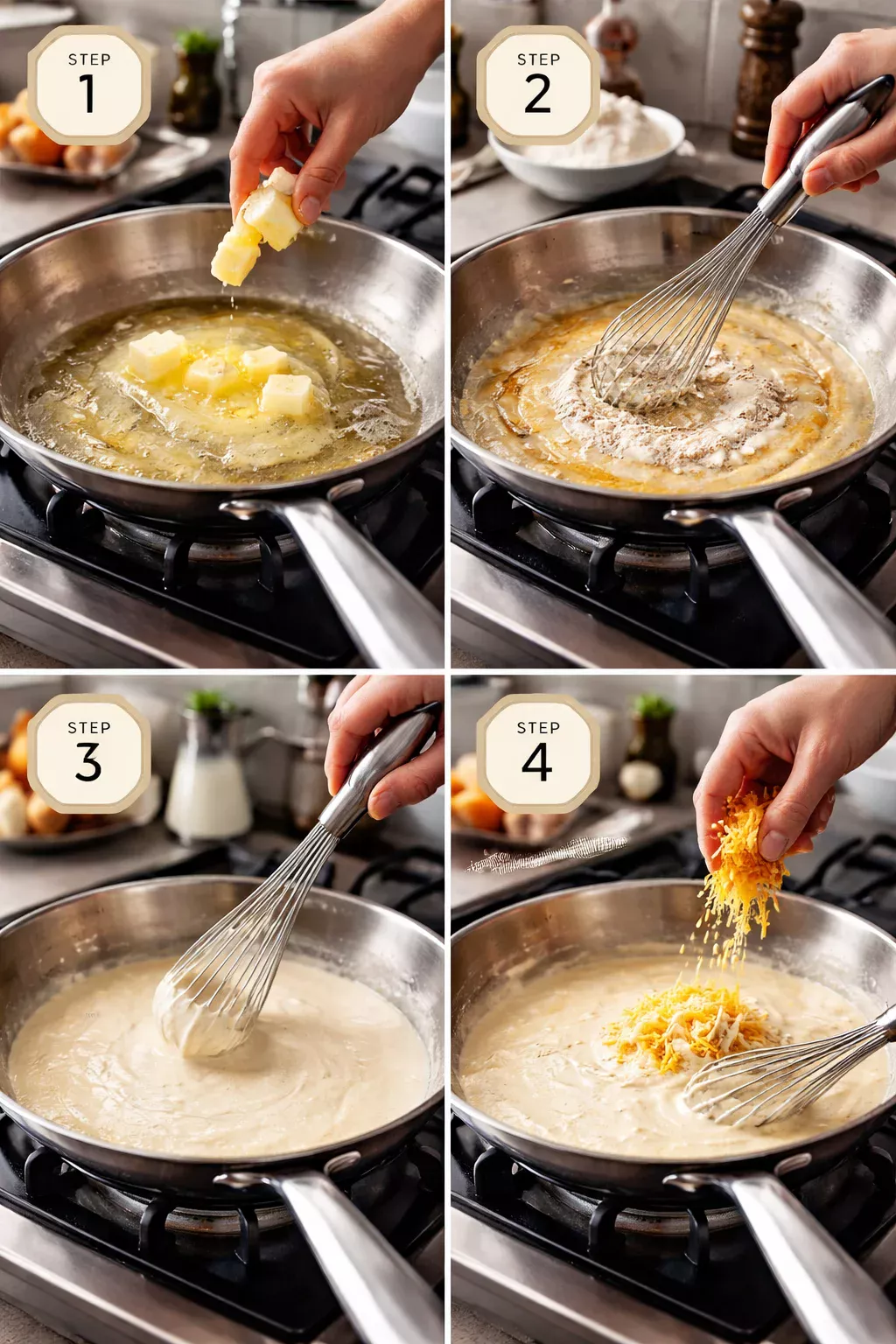
Here is how I do it: I melt butter in a small saucepan over medium heat. Then I sprinkle in flour and whisk like I mean it. The mixture will look like wet sand, and that is perfect. Let it cook for about a minute so the flour taste calms down, but do not walk away because it can brown fast.
My quick roux checklist
- Use equal parts butter and flour. I usually do 2 tablespoons of each for a standard batch.
- Whisk constantly so you do not get little flour lumps.
- Keep the heat medium so it cooks gently, not aggressively.
- Cook 60 to 90 seconds, just until it smells a little toasty.
Once that is ready, you slowly whisk in milk. Start with a splash to loosen it up, then add the rest in a steady stream. If you dump all the milk in at once, the roux can clump and you end up chasing lumps around the pan. Slow and steady wins here.
How to Make Homemade Cheese Sauce
Now for the good stuff. Once your milk thickens slightly, it is time for cheese. This is where I see people rush and then wonder why the sauce gets stringy. The key is lowering the heat and letting the cheese melt calmly.
I like using cheddar as my base because it tastes like the classic cheese sauce everyone expects. But I also sneak in a little cream cheese sometimes for extra silkiness, especially if I am pouring it over broccoli or baked potatoes. And yes, I have used this same idea when making a quick queso style topping for chicken, like this mexican chicken with cheese sauce. It is wildly good for weeknights.
Ingredients I reach for most
- 2 tablespoons butter
- 2 tablespoons all purpose flour
- 2 cups milk, warmed if you have a minute
- 2 cups shredded cheddar cheese
- Salt and pepper to taste
- Optional: a pinch of garlic powder, smoked paprika, or a tiny dab of Dijon
Directions are simple. Make the roux, whisk in milk, and stir until it thickens enough to coat the back of a spoon. Turn the heat to low. Add the cheese in handfuls, stirring after each addition. When it is smooth, taste it and season.
One small note that makes a big difference: shred your own cheese if you can. Pre shredded bags often have anti caking stuff that can make your sauce a little less smooth. It will still work, but freshly shredded melts like a dream.
And because I promised the practical stuff, here is ; to help you adjust the thickness without stressing:
If it is too thick, whisk in a tablespoon or two of warm milk until it loosens up. If it is too thin, let it simmer gently for another minute, whisking, and it will tighten as it cools a bit. If you want it extra glossy, a tiny splash of evaporated milk can help, but it is not required.
Secrets To Cheese Sauce Success!
This is the part I wish someone had told me years ago, right before I made a sad, broken pot of sauce for a family movie night. Creamy Cheese Sauce is easy, but it has a few little rules that keep it smooth and scoopable.
My no drama tips
Keep the heat low when the cheese goes in. High heat is the fastest way to get grainy sauce. Cheese wants a gentle melt, not a boil.
Add cheese gradually. Handful by handful gives you control and helps it melt evenly.
Season at the end. Cheddar can be salty, and different brands vary a lot. Taste first, then salt.
Do not over whisk once it is melted. Just stir until smooth. Overworking can mess with the texture.
Use full fat dairy when you can. You can make it with lower fat milk, but it will not be as rich, and it can be more likely to split.
I tried your tips about low heat and shredding my own cheese, and my sauce finally came out smooth. My kids literally asked for it again the next day, which never happens. It was a win. Jenna R.
If you are making this ahead, keep it warm on very low heat and stir occasionally. For leftovers, reheat slowly with a splash of milk. Microwaving on high turns it into a weird gluey situation, so go gently.
Also, if you want to turn this into a whole meal without thinking too hard, it is amazing on simple pasta. I have even taken inspiration from comfort recipes like 3 ingredient slow cooker mac and cheese, then added a drizzle of this sauce on top for the extra creamy factor. No one complained.
When I want a dinner that feels extra comforting, I sometimes plan the sauce night around something already creamy, like these creamy and dreamy crockpot three cheese mashed potatoes. It is like a warm hug on a plate. 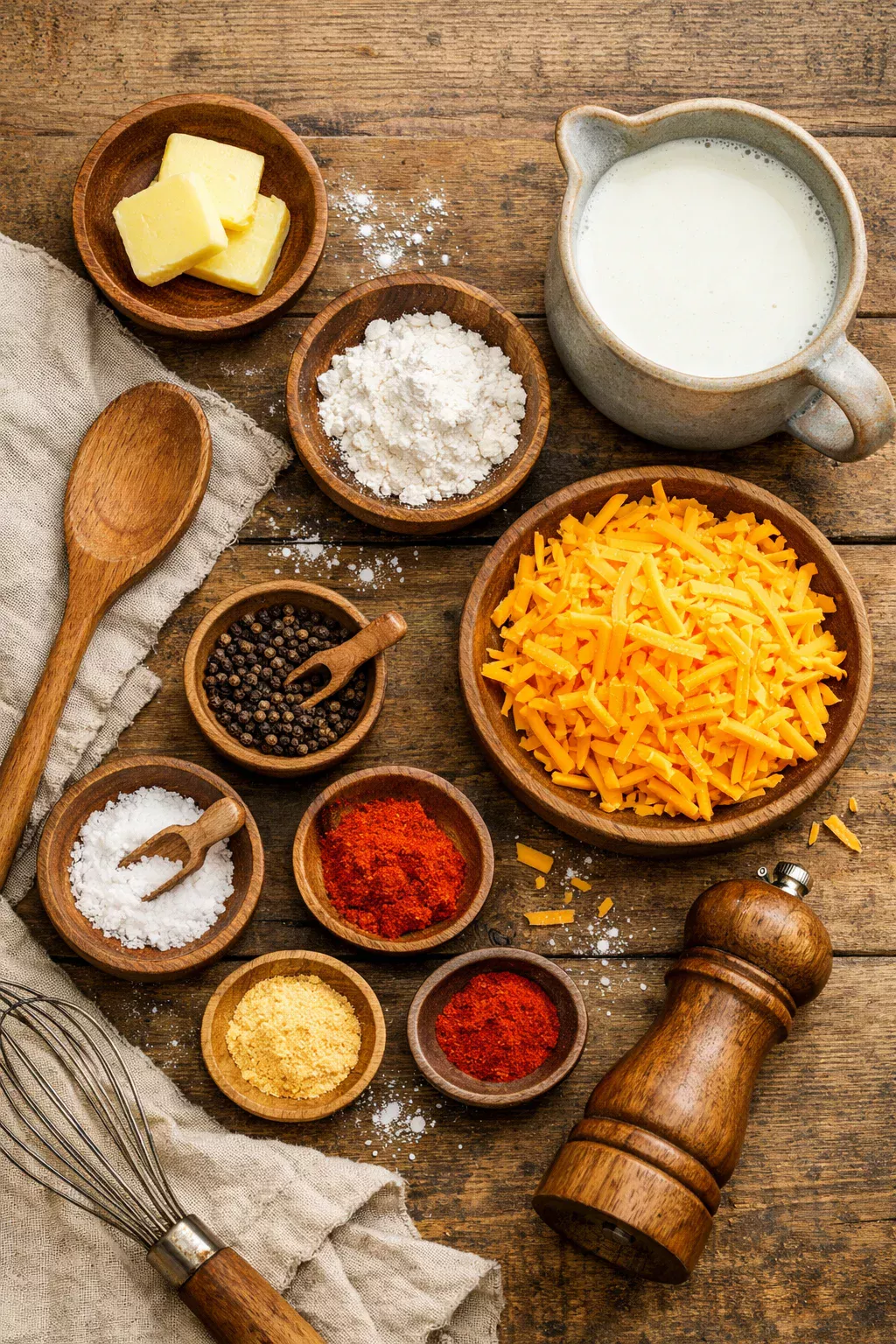
What to Serve with Cheese Sauce
This is where Creamy Cheese Sauce really earns its keep. It is not just for mac and cheese, although yes, that is a classic for a reason. I love it because it turns random fridge ingredients into something people actually want to eat.
My favorite move is using it as a dip. Warm sauce, soft pretzels, roasted potatoes, even apple slices if you like that salty sweet thing. It also makes steamed veggies feel like comfort food. Broccoli is the obvious choice, but cauliflower, carrots, and even green beans work.
If you want more of a full plate situation, try it over baked potatoes, nachos, burgers, or roasted chicken. It is also very good drizzled over a grilled sandwich. If you are a sandwich person, you might love something like air fryer grilled ham and cheese, then use a little extra sauce on the side for dipping. It is over the top in the best way.
One more idea that sounds fancy but is easy: spoon it over salmon and add herbs or lemon. I have done a dill version after making baked keto salmon with creamy dill sauce, and it is a surprisingly great combo when you want something cozy but still fresh tasting.
The difference between sharp and mild cheddar
This always comes up when someone tells me they tried my Creamy Cheese Sauce and it tasted different than expected. The cheddar you pick really changes the whole vibe.
Mild cheddar melts smoothly and tastes buttery and gentle. It is perfect if you are serving picky eaters or you want the sauce to be a quiet, creamy background for other flavors like bacon or jalapenos.
Sharp cheddar has a stronger bite and a more tangy, cheesy punch. I love it when the sauce is the star of the show, like on mac, broccoli, or fries. The tradeoff is that very sharp or aged cheeses can be more likely to get a little grainy if overheated, so keep that heat low and be patient.
My personal sweet spot is doing half sharp and half mild. You get flavor and meltability without having to overthink it. If you want to branch out, you can mix in a little Monterey Jack for stretch or a touch of Parmesan for salty depth, but keep cheddar as the base until you get comfortable.
When I am craving a bowl of comfort but want to keep things a bit lighter, I love pairing this sauce mood with a veggie base, like creamy cauliflower mac and cheese low carb that rocks. Same cozy feeling, less heavy.
Common Questions
1) Can I make Creamy Cheese Sauce without flour?
Yes. You can thicken with a little cornstarch slurry instead. Mix 1 tablespoon cornstarch with 1 tablespoon cold milk, then whisk it into warm milk and cook until it thickens before adding cheese.
2) Why did my sauce turn grainy?
Usually the heat was too high, or the cheese was added too fast. Next time, lower the heat and add cheese gradually. Shredding your own cheese also helps.
3) How do I store and reheat it?
Store in a sealed container in the fridge for up to 3 days. Reheat slowly on the stove or in the microwave at low power, stirring often, with a splash of milk to bring it back.
4) Can I freeze cheese sauce?
You can, but the texture can change and get a little grainy when thawed. If you do freeze it, reheat slowly and whisk in a bit of milk or cream to help smooth it out.
5) What is the best cheese for the smoothest melt?
Mild or medium cheddar is very reliable. A mix of cheddar and Monterey Jack is also super smooth and friendly for beginners.
Go make it tonight
If you take anything from my rambling, let it be this: keep the heat gentle, add the cheese slowly, and you will get that smooth, cozy Creamy Cheese Sauce every time. Once you have it down, you will start looking for excuses to pour it on everything in sight. If you want more ideas, I have leaned on guides like Creamy Cheese Sauce – Spend With Pennies and Smooth and Creamy Homemade Cheese Sauce | The Recipe Critic when I am comparing little tweaks and ratios. Now grab a whisk and your favorite cheddar, and go make dinner feel a lot more fun.


Creamy Cheese Sauce
Ingredients
For the roux
- 2 tablespoons butter
- 2 tablespoons all purpose flour
For the sauce
- 2 cups milk, warmed if possible
- 2 cups shredded cheddar cheese Freshly shredded is recommended.
- to taste salt
- to taste pepper
- optional a pinch of garlic powder, smoked paprika, or a tiny dab of Dijon
Instructions
Preparation
- Melt the butter in a small saucepan over medium heat.
- Sprinkle in flour and whisk until the mixture looks like wet sand, about 1 minute.
- Slowly whisk in milk, starting with a splash and then adding the rest gradually to avoid lumps.
Cooking
- Reduce heat to low once the milk thickens slightly.
- Add the shredded cheese in handfuls, stirring after each addition until smooth.
- Taste and season with salt and pepper as needed.