
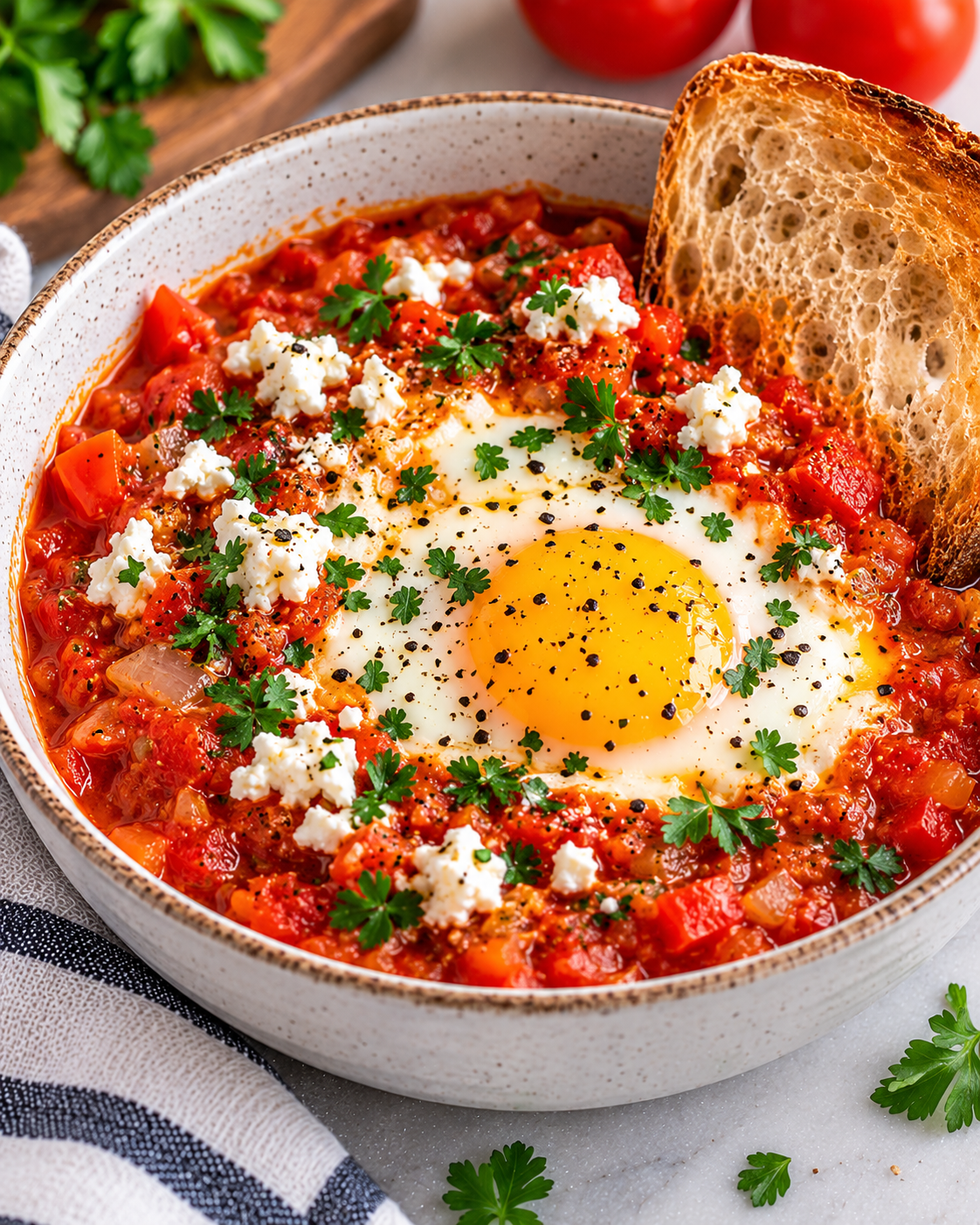
Shakshuka is one of those breakfasts that feels more interesting than ordinary eggs. The combination of eggs and a savory tomato sauce makes it comforting, flavorful, and satisfying enough to enjoy well beyond breakfast.
Microwave shakshuka offers a different approach to that familiar dish. Instead of relying on a skillet, this version is designed around the convenience of a microwave, making it particularly appealing when you want a small breakfast without a lot of cookware.
The best result should have a flavorful tomato base and eggs that are cooked evenly rather than rubbery or watery. Because microwaves heat food differently from stovetops, the texture may not be identical to traditional shakshuka.
What Is Microwave Shakshuka?
Traditional shakshuka is a dish of eggs cooked in a seasoned tomato-based sauce, commonly associated with North African and Middle Eastern cuisines.
A microwave version adapts that familiar combination for a different appliance. It aims to preserve the savory tomato-and-egg character while offering a convenient option for a small meal.
How It Differs from Skillet Shakshuka
Skillet shakshuka allows the sauce and eggs to develop under more direct control. The finished dish often has a rustic appearance, with eggs nestled into the sauce.
Microwave shakshuka can have a different texture because microwave heating is less uniform. The sauce and eggs may heat at different rates, which makes the tested recipe especially important.
Why Make Shakshuka in the Microwave?
The main attraction is convenience. A microwave can be useful when you want a warm breakfast without using the stove or several pans.
It’s particularly appealing for a small kitchen, a quick lunch, or a single portion when the recipe is specifically designed for one person.
A Practical Breakfast for One
Shakshuka for one can be satisfying without creating a large batch. The combination of eggs and tomato sauce feels substantial enough to serve as a complete breakfast.
The actual recipe yield should be checked before describing it as single-serving. Portion size depends on the ingredients and the recipe card.
Choosing a Microwave-Safe Bowl and Cover
Microwave-safe cookware matters because the bowl and cover need to tolerate the appliance’s heating conditions. Not every dish that looks suitable is designed for microwave use.
The correct container should be identified by the manufacturer as microwave-safe. Avoid metal and cookware that isn’t approved for microwave heating.
Why Container Shape Matters
The shape and depth of a container can influence how food heats. A very deep bowl may behave differently from a wider, shallower one.
The tested recipe should determine the appropriate cookware rather than assuming every bowl produces the same result.
Managing Splatter
Tomato sauce can splatter as it heats, and eggs can develop pressure in enclosed areas. A microwave-safe, vented cover may help control mess when the recipe calls for one.
Never use a tightly sealed container. Whole eggs in their shells should not be microwaved, and egg yolks can burst unless the recipe uses a validated technique.
Tips for Eggs That Cook Evenly
Eggs are the most delicate part of microwave shakshuka. They can become firm or rubbery quickly, particularly when the microwave heats unevenly.
A good finished egg should have the texture intended by the recipe without undercooked portions.
Microwave Wattage Differences
Microwave ovens vary in wattage and heating patterns. A recipe tested in one appliance may behave differently in another.
That’s why the exact timing and power settings should come from the tested recipe card. General estimates aren’t a reliable substitute.
Avoiding Overcooked Yolks
Egg yolks can become firm or develop an unpleasant texture when overheated. The finished result depends on the recipe’s intended doneness and the appliance.
The goal is a pleasant texture without sacrificing safe cooking.
Safe Egg Doneness
For standard egg dishes, the FDA recommends cooking until the eggs are firm rather than runny. Egg-containing microwave dishes should reach 165°F throughout, with standing time as directed by the tested recipe.
Microwaved eggs also present a splatter or bursting risk, so the recipe’s specific safety precautions should be followed.
Tomato Sauce Texture and Flavor
The tomato base gives shakshuka much of its character. It should taste savory and balanced, with enough body to complement the eggs.
A sauce that’s too watery can make the dish feel thin, while an excessively thick sauce may overwhelm the eggs.
Keeping the Sauce Balanced
Tomatoes naturally vary in acidity and sweetness. The seasonings in the recipe should help create a rounded flavor rather than leaving the sauce tasting sharply acidic.
The microwave version should still feel recognizably like shakshuka, even if the texture differs from a skillet preparation.
Serving Ideas
Toast is a familiar companion to shakshuka because it pairs well with the savory tomato sauce. Flatbread is another traditional-style option, depending on the meal.
A simple side of fresh vegetables can make the breakfast feel more complete without adding much complexity.
For a quick lunch, shakshuka can also stand on its own as a warm, savory dish.
Common Microwave Shakshuka Problems
Uneven eggs, watery sauce, and splattering are three common concerns with microwave egg dishes. Each can affect the finished meal in a different way.
A watery sauce may dilute the flavor, while unevenly cooked eggs can create an unpleasant texture or a food-safety concern.
Microwave wattage and container choice both influence results, which is why the original tested method matters.
Frequently Asked Questions About Microwave Shakshuka
Can You Make Shakshuka in a Microwave?
Yes, microwave adaptations exist. They need a tested method that accounts for uneven heating, egg safety, and the texture of the tomato sauce.
Is It Safe to Microwave Eggs in Sauce?
It can be safe when using a validated microwave recipe with appropriate cookware and precautions. Eggs must reach safe doneness, and yolks can burst if pressure builds.
Can I Make Shakshuka for One?
Yes, a single-serving version is practical when the recipe is designed for that yield. The actual recipe card should confirm the portion size.
How Does It Compare with Skillet Shakshuka?
Microwave shakshuka can offer convenience, but the eggs and sauce may develop a different texture. Traditional skillet shakshuka generally provides more direct control over the finished dish.
Final Thoughts
Microwave Shakshuka is an appealing option when you want a warm, savory breakfast without preparing a full skillet meal. Eggs and tomato sauce remain the heart of the dish, even when the cooking appliance changes.
The best version has balanced flavor, safely cooked eggs, and a sauce that feels satisfying rather than watery. Follow the tested recipe card carefully for microwave-specific safety and timing.
Microwave Shakshuka
Ingredients
For the shakshuka
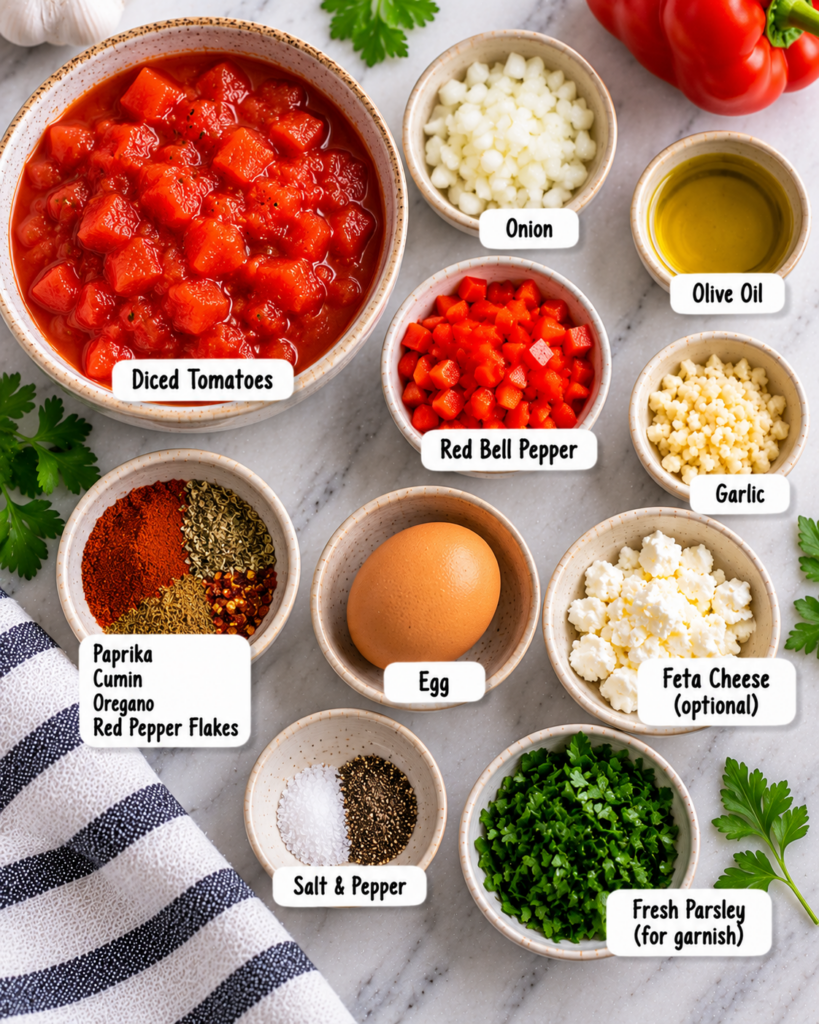
- 2 large large eggs Use fresh eggs for best results.
- 1/2 cup canned diced tomatoes Choose tomatoes without added sugars or flavors.
- 1 tbsp olive oil For flavor and texture.
- 1 tsp ground cumin Adds warmth to the sauce.
- 1 tsp paprika Smoky flavor complements the dish.
- salt to taste salt Season as desired.
- pepper to taste pepper Freshly cracked preferred.
Instructions
Preparation
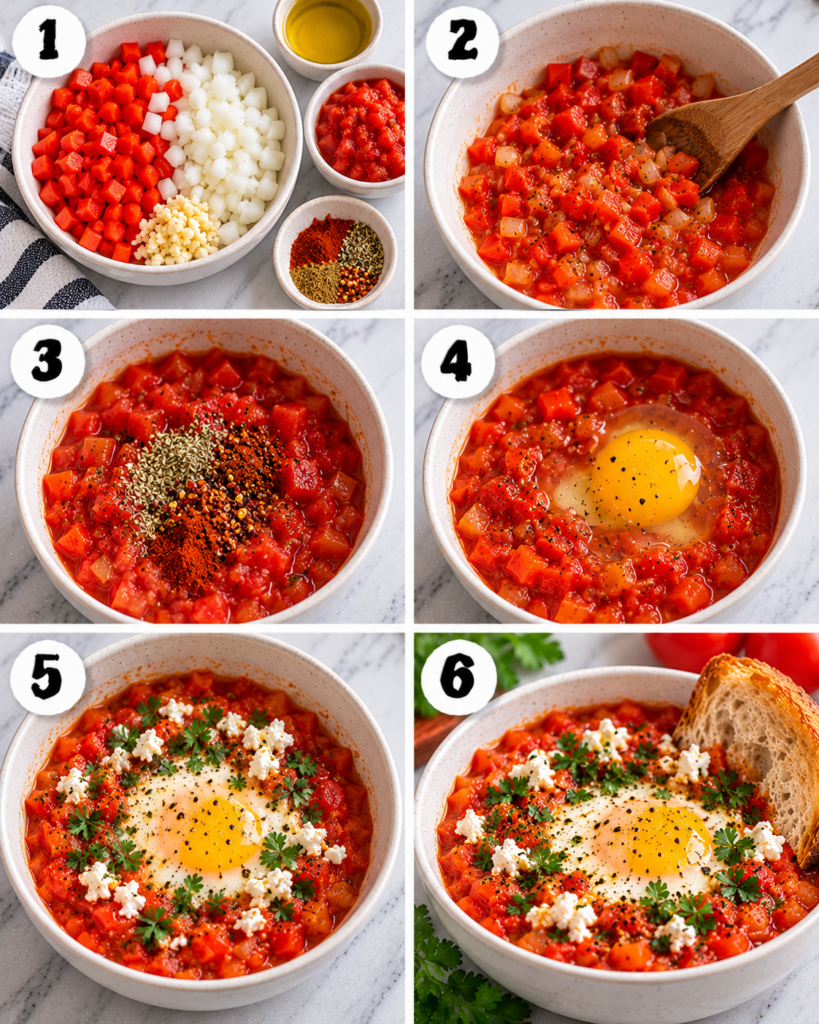
- In a microwave-safe bowl, combine the canned diced tomatoes, olive oil, cumin, paprika, salt, and pepper.
- Stir until well mixed.
Cooking
- Make two small wells in the tomato mixture and carefully crack an egg into each well.
- Cover the bowl with a microwave-safe vented lid or plate to manage splatter.
- Microwave on high for approximately 1-2 minutes, checking after 1 minute, until the eggs are cooked to your desired doneness.
Serving
- Allow to sit for a minute before serving.
- Serve warm, potentially with toast or flatbread.