
Bibimbap Rice Bowl
Pinterest Tumblr Print Email Love ThisBibimbap Rice Bowl nights happen at my house when I open the fridge, see a bunch of random veggies, and just cannot deal with another…
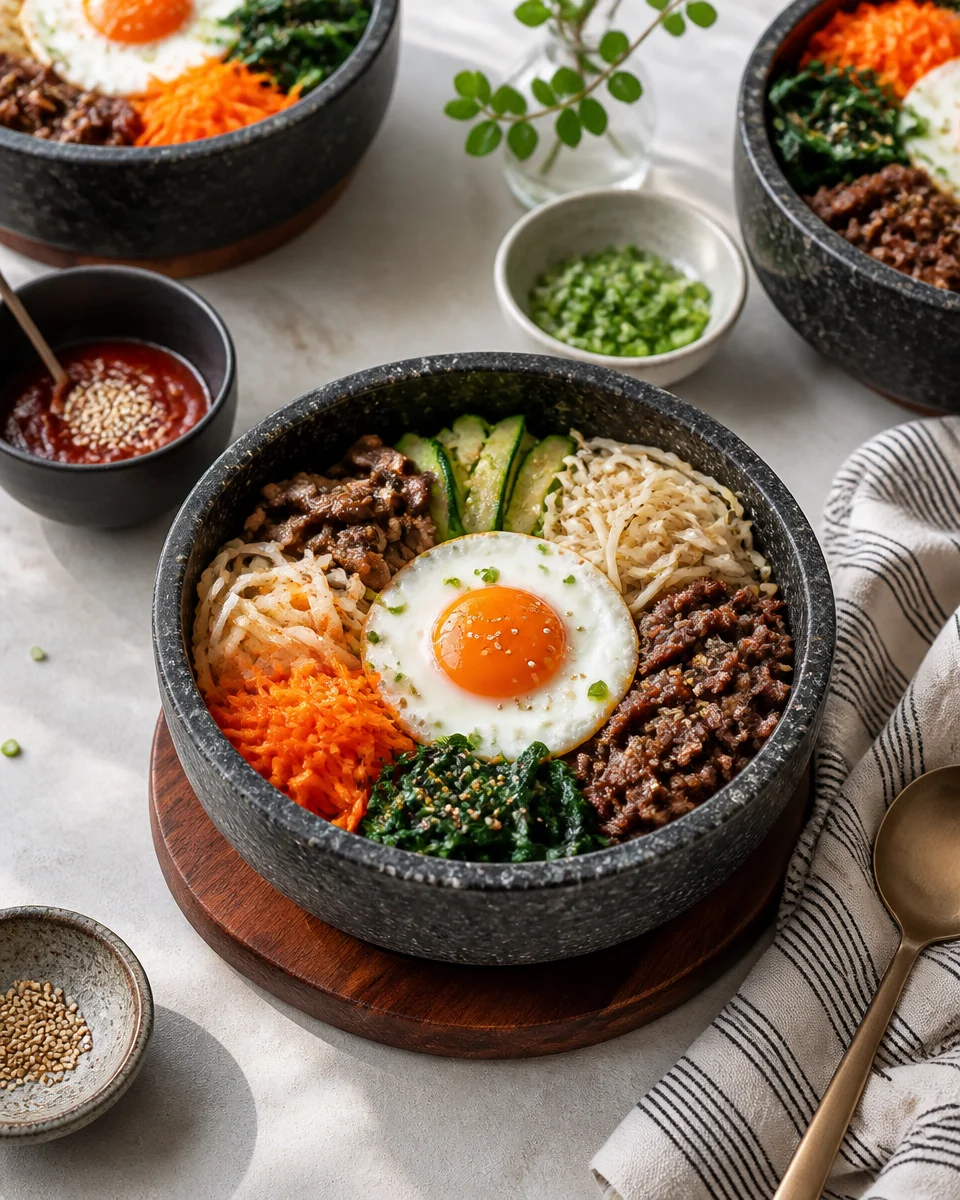
Bibimbap Rice Bowl nights happen at my house when I open the fridge, see a bunch of random veggies, and just cannot deal with another sad sandwich. You know that feeling where you want something cozy and filling, but you also want it to feel fresh? This bowl does that. It looks fancy, but it is actually a super practical clean out the fridge dinner. The best part is everyone can build their own, so nobody complains about mushrooms or spinach.
What is Bibimbap?
Bibimbap is a Korean mixed rice dish that’s basically a big bowl of warm rice topped with a bunch of colorful vegetables, usually some kind of protein, and a spicy sauce. Then you mix everything together right before you eat. The name is pretty literal: “bibim” means mixing, and “bap” means rice.
What makes a Bibimbap Rice Bowl feel special is the contrast. You’ve got warm rice, crisp or lightly cooked veggies, savory bites of meat or tofu, and that spicy, slightly sweet kick from gochujang sauce. And if you add a fried egg on top, the runny yolk turns into this instant creamy sauce situation. I love food that does that with basically no extra effort.
Also, if you like rice bowls in general, you’re my people. I rotate through a few depending on my mood, like these Instant Pot weeknight chicken and rice burrito bowls when I want something hands off and hearty.
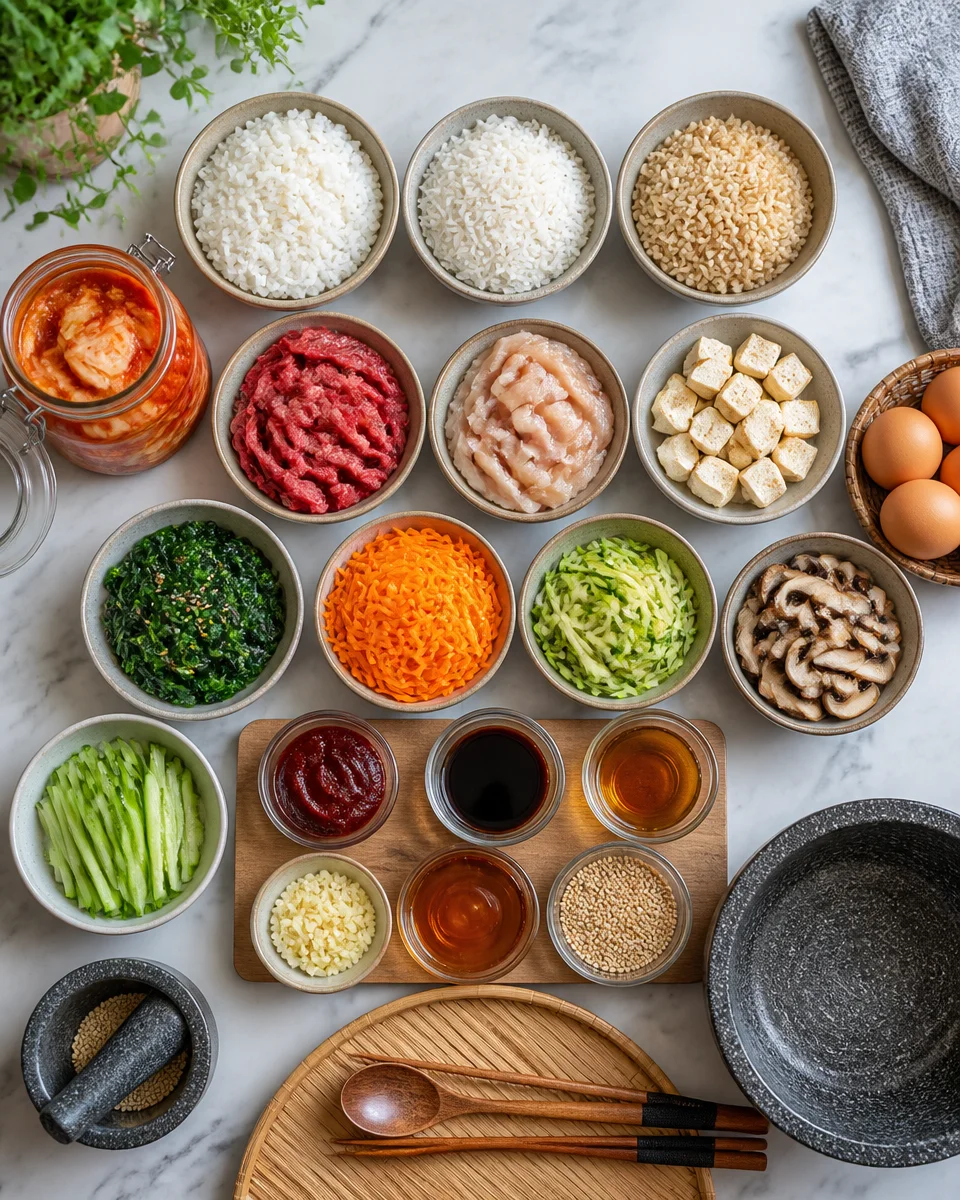
Ingredients for Bibimbap
This is the part where you can be flexible. Yes, there are classic toppings, but you can absolutely make a great Bibimbap Rice Bowl with what you have. Think of it as: rice + toppings + sauce + egg (optional but recommended).
My go to shopping list
- Rice: short grain white rice is classic, but jasmine or brown rice works too
- Protein: thin sliced beef, ground beef, chicken, tofu, or even leftover steak
- Veggies: spinach, carrots, zucchini, mushrooms, bean sprouts, cucumbers, or kimchi
- Eggs: one per bowl if you want the full experience
- Gochujang: Korean chili paste for the sauce
- Sesame oil: a little goes a long way, but it matters
- Soy sauce, garlic, and a bit of sugar or honey
- Toasted sesame seeds and sliced green onions for topping
Quick rice note: if you want an easy side rice trick for busy nights, I’m slightly obsessed with this 4 ingredient stick of butter rice. It’s not traditional for bibimbap, but it is comforting, and comfort is the point sometimes.
Here is the tag you asked for, right in this section: ;
“I made this for my picky teenagers and they actually fought over the crispy bits at the bottom. The sauce made everything taste like takeout, but fresher.”
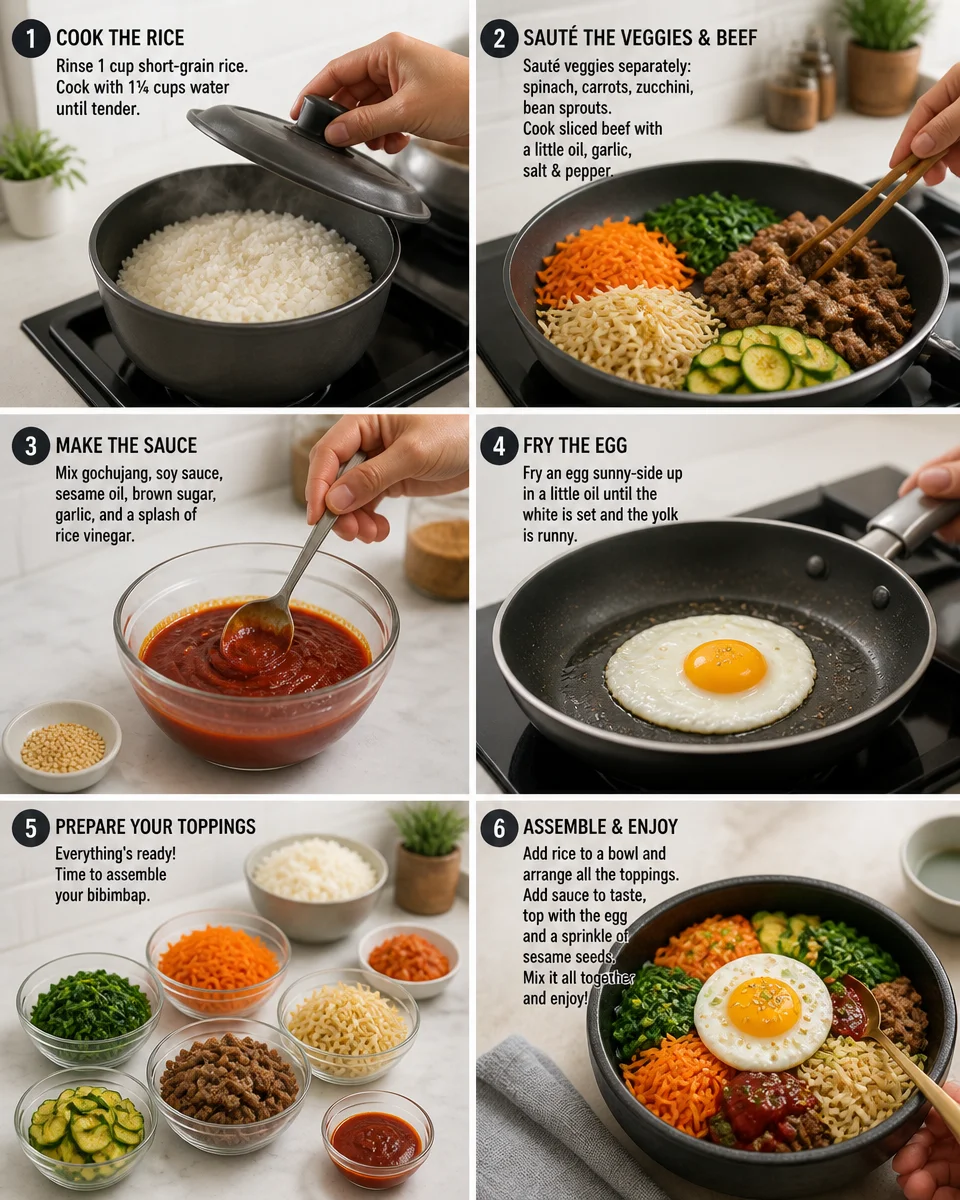
How to Make Bibimbap
Okay, here is how I make it at home without turning dinner into a huge project. The goal is to keep each topping simple, then let the mixing do the magic. This is why Bibimbap Rice Bowl is one of my favorite weeknight meals.
Step by step, no stress
1) Cook the rice
Make rice like you normally do. Fresh is great, but leftover rice is also fine. If it’s leftover, just warm it up with a splash of water so it gets soft again.
2) Prep and cook the veggies
I usually do quick stovetop cooking in the same pan, one veggie at a time, with a tiny bit of oil and salt. Keep them separate if you want that classic look, but if you’re tired, you can group similar ones together. A few easy examples:
Spinach: quick wilt, then squeeze out water, add a drop of sesame oil and garlic.
Carrots and zucchini: thin slice, quick sauté, keep them slightly crisp.
Mushrooms: cook until they get a little browned, splash of soy sauce at the end.
3) Cook the protein
For beef, I like ground beef because it’s easy. Cook it, drain if needed, then add soy sauce, garlic, and a small pinch of sugar. If you’re doing tofu, pan fry it until golden and season it the same way.
4) Mix up the sauce
My basic sauce is: gochujang + a little sesame oil + soy sauce + a bit of honey or sugar + a splash of water to thin it out. Stir until smooth. Taste it. If it’s too spicy, add a little more honey. If it’s too thick, add a teaspoon of water.
5) Fry the egg
Sunny side up is the vibe here. You want that soft yolk. If runny eggs freak you out, do over medium or even scrambled.
6) Build the bowl
Rice on the bottom, toppings in little piles, egg on top, sauce on the side or drizzled. Sprinkle sesame seeds and green onion. Then mix it all up right before eating.
If you like the whole rice bowl lifestyle, this teriyaki shrimp rice bowl is another great option when you want something sweet and savory with minimal chopping.
Essential Korean Ingredients
You can make a tasty bowl without a full Korean pantry, but a few key ingredients make it taste like the real deal. When people tell me their bibimbap tasted “fine but missing something,” it’s usually one of these.
Gochujang: This is the big one. It is spicy, a little sweet, and deeply savory. Look for it in a red tub at Asian markets or in the international aisle.
Sesame oil: Use it like a finishing touch, not a cooking oil you dump in. A tiny drizzle makes everything smell amazing.
Soy sauce: Regular is fine. If you have Korean soup soy sauce, great, but do not stress it.
Kimchi: Not required, but it adds tang and crunch. If you are new to it, start with a small amount on the side.
Toasted sesame seeds: Adds a nutty little pop and makes the bowl feel complete.
And hey, if your household loves comforting rice bakes and you’re stocking up on rice anyway, you might also want to peek at this cheesy broccoli rice casserole for a totally different, cozy dinner angle.
How to Eat Bibimbap
This part is easy and honestly kind of fun. A Bibimbap Rice Bowl is meant to be mixed. Like really mixed. The pretty piles are just the starting point.
Here is how I do it:
Step 1: Add a spoonful of sauce to start. You can always add more.
Step 2: Break the egg yolk and let it run into the rice.
Step 3: Mix from the bottom up until everything is coated.
Step 4: Taste, then adjust. More sauce, more sesame oil, a pinch of salt, or even extra kimchi if you like it punchy.
If you want the “restaurant style” vibe, you can try to get a little crisp on the rice by letting it sit in a hot pan with a bit of oil before you add toppings. It creates those golden crunchy bits. Not required, but it’s a nice upgrade when you have a few extra minutes.
Common Questions
Can I make Bibimbap Rice Bowl ahead of time?
Yes. Cook the rice and prep the toppings, then store them separately. When it’s time to eat, reheat the rice and protein, warm the veggies quickly, and fry the egg fresh.
What if I do not have gochujang?
You can fake a quick sauce with sriracha plus a little miso or soy sauce and honey. It will not taste exactly the same, but it will still be good.
Is bibimbap supposed to be spicy?
It can be, but you control it. Use less sauce, add a little extra honey, or serve the sauce on the side so everyone can choose their heat level.
What is the best protein for beginners?
Ground beef or thin sliced chicken are the easiest. They cook fast and take on flavor quickly with soy sauce, garlic, and a bit of sugar.
Can I make it vegetarian?
Absolutely. Use tofu, mushrooms, or even a mix of both. Add extra veggies and do not skip the sesame oil and sauce because they bring the big flavor.
A cozy bowl you will want on repeat
If you take one thing from this post, let it be this: a Bibimbap Rice Bowl is less about perfection and more about using what you have and making it taste exciting. Once you try it, you will start looking at leftover veggies like they have a purpose again. If you want extra guidance, I learned a lot from Bibimbap! (Korean Rice Bowl) – RecipeTin Eats and I also love the classic approach in Bibimbap (Korean Mixed Rice with Meat and Assorted Vegetables). Now go grab a bowl, toss an egg on top, and make dinner feel way more fun than it has any right to be.
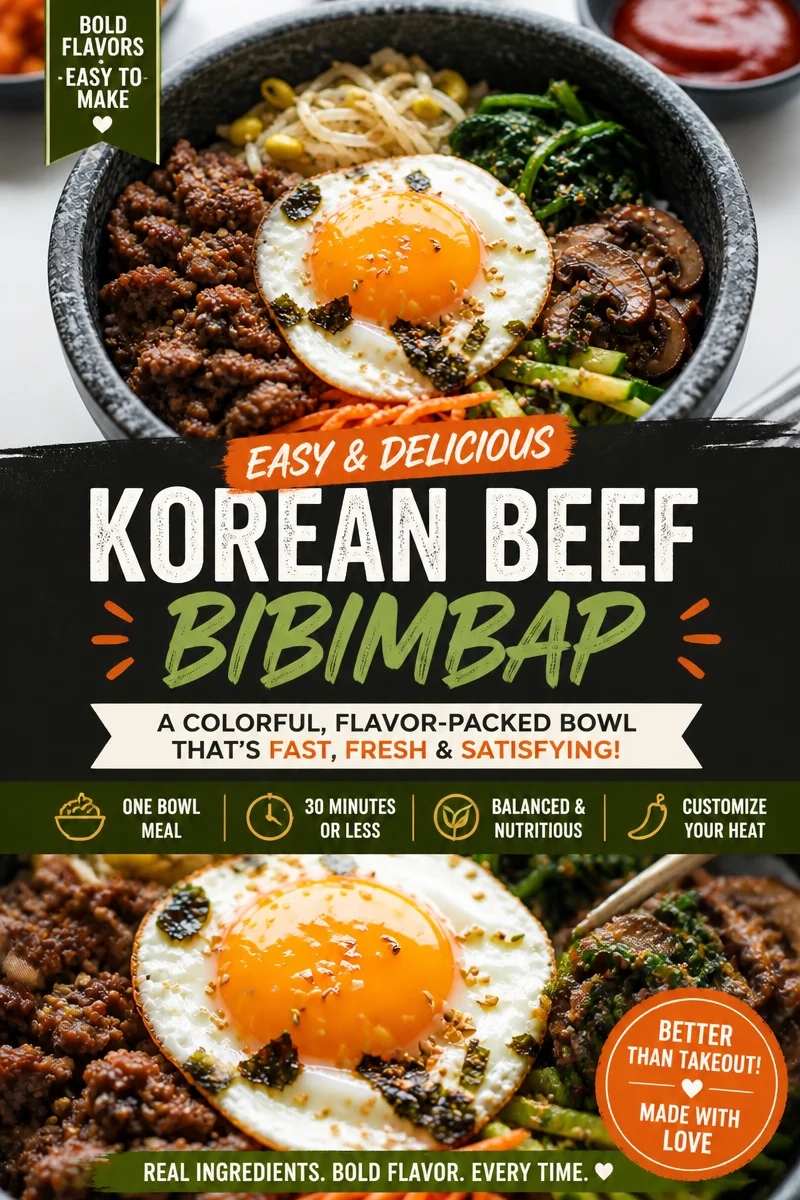
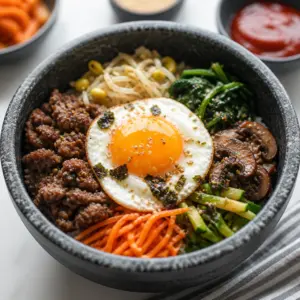
Bibimbap Rice Bowl
Ingredients
Rice Base
- 2 cups short grain white rice Can substitute with jasmine or brown rice.
Protein
- 1 pound ground beef or chicken Can also use tofu or leftover steak.
Vegetables
- 2 cups spinach Quickly wilted.
- 1 cup carrots Thinly sliced and sautéed.
- 1 cup zucchini Thinly sliced and sautéed.
- 1 cup mushrooms Cook until browned.
- 1 cup bean sprouts Optional vegetable.
- 1 cup cucumbers Sliced, optional.
- 1/2 cup kimchi Optional, adds tang and crunch.
Sauce
- 2 tablespoons gochujang Korean chili paste.
- 1 tablespoon sesame oil Use as a finishing touch.
- 2 tablespoons soy sauce Regular soy sauce.
- 1 teaspoon honey or sugar To balance the spiciness.
- 1 tablespoon water To thin the sauce if necessary.
Toppings
- 4 pieces eggs One per bowl, fried sunny side up.
- 2 tablespoons toasted sesame seeds For garnishing.
- 1 cup sliced green onions For garnishing.
Instructions
Preparation
- Cook the rice according to the package instructions, using either fresh or leftover rice. If using leftover, warm it with a splash of water.
- Prep and cook the vegetables one at a time in a pan with a bit of oil and salt. Keep them separate or group similar ones together as per preference.
- For the spinach, wilt it, then squeeze out excess water and add sesame oil and garlic. Sauté carrots and zucchini slightly, keeping them crisp. Cook mushrooms until browned, finishing with a splash of soy sauce.
Protein
- Cook ground beef or chicken until done; drain if needed. Season with soy sauce, garlic, and a pinch of sugar. If using tofu, pan fry until golden and season similarly.
Sauce Preparation
- Mix gochujang, sesame oil, soy sauce, honey or sugar, and water in a bowl until smooth. Taste and adjust seasoning as desired.
Assembly
- In each bowl, layer rice, followed by cooked toppings, and place a fried egg on top. Drizzle with sauce, sprinkle sesame seeds and green onions, then mix everything together before eating.