
Slow Cooker Pork Shoulder with Brown Sugar Balsamic Glaze
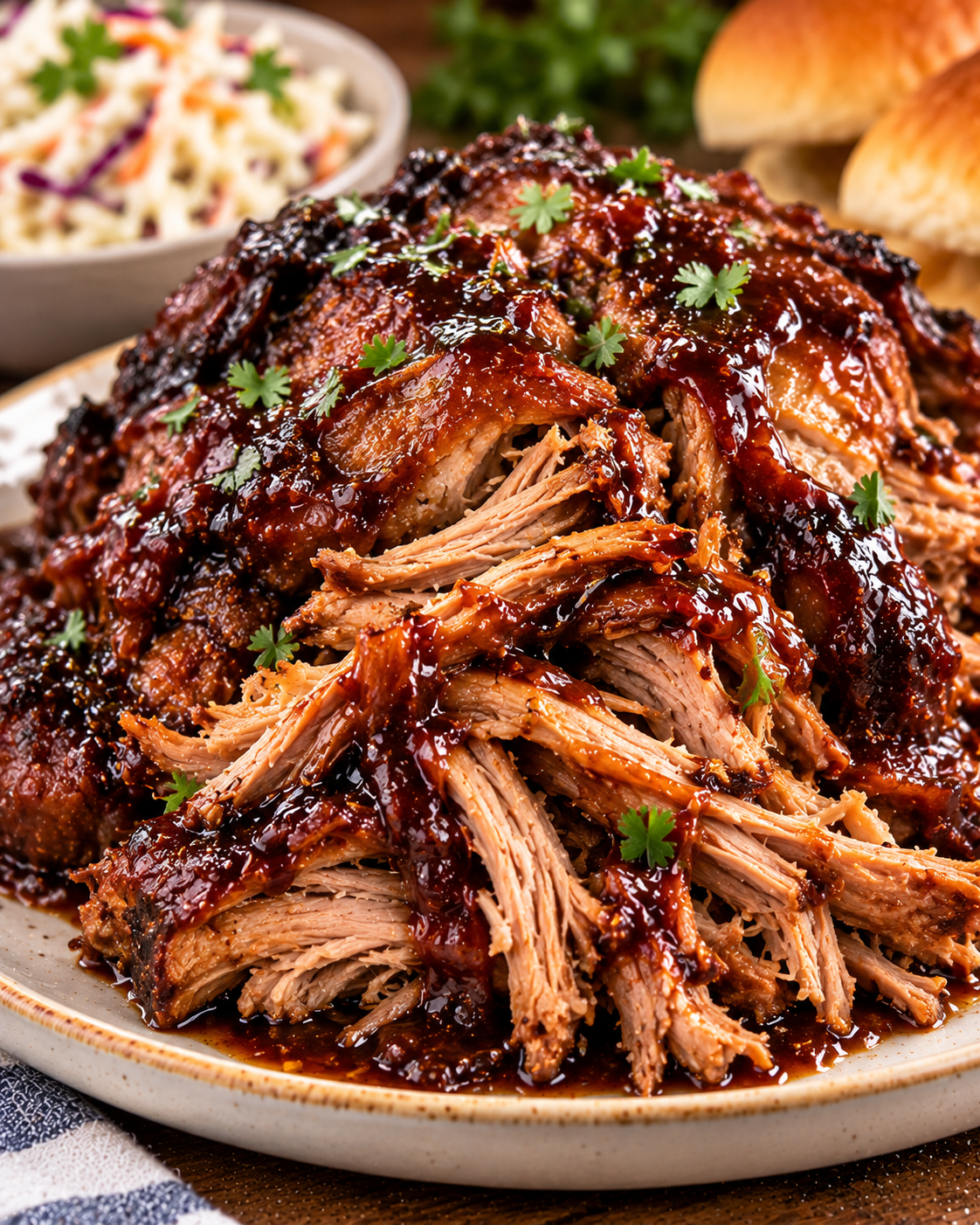
There are dinners that need plenty of attention, and then there are the ones that make the house smell wonderful while you get on with your day. Slow cooker pork shoulder falls into that second category. It’s the kind of comforting meal that works for a regular family dinner but feels generous enough to serve when people come over.
This version gets its personality from a brown sugar balsamic glaze. The brown sugar brings a mellow sweetness, while the balsamic vinegar adds a tangy edge that keeps the pork from tasting too rich. Together, they create a sauce that’s especially good with potatoes, rice, or roasted vegetables.
A good crockpot pork shoulder recipe should give you tender meat and a flavorful sauce without leaving everything swimming in grease. Whether you prefer to serve the pork in slices or pull it into pieces depends on the cut and the finished texture, but the meat should be easy to enjoy.
Why Pork Shoulder Works So Well in a Slow Cooker
Pork shoulder has more connective tissue and fat than lean cuts such as pork loin. Those qualities make it well suited to the moist, gentle cooking environment of a slow cooker, where the meat can become tender over time.
It’s also forgiving in a way that very lean pork often isn’t. That doesn’t mean it can never dry out, but its natural structure makes it a popular choice for comforting slow-cooked dinners.
Pork Shoulder vs. Pork Butt
Despite the name, pork butt comes from the upper shoulder area of the pig. Both pork butt and picnic shoulder are shoulder cuts, although they differ in shape, fat distribution, and sometimes the presence of bone or skin.
Either may be suitable for certain slow cooker recipes, but the exact cut in your recipe card is the one to follow.
Why Pork Loin Isn’t the Same Substitute
Pork loin is much leaner than shoulder and behaves differently during cooking. A recipe designed around pork shoulder’s fat and connective tissue may not give the same results with loin.
It’s worth treating the two as different cuts rather than assuming they can be exchanged without changing the final texture.
The Brown Sugar Balsamic Flavor
What makes this slow cooker pork roast stand out is the balance between sweetness and acidity. Brown sugar gives the sauce a rounded, caramel-like note, while balsamic vinegar brings a deeper tang than ordinary sweetness alone could provide.
The finished glaze should complement the pork rather than taste like a dessert sauce. You still want the savory flavor of the meat to come through.
Why Balsamic Vinegar Works with Pork
Balsamic vinegar has a distinctive sweet-tart character that pairs naturally with rich meats. Its flavor can vary quite a bit between brands, from sharp and thin to sweeter and more syrupy.
That variation can affect the finished sauce, so two batches may taste slightly different even when the same recipe is used.
When the Glaze Tastes Too Sweet
A glaze that tastes overly sweet can hide the pork’s natural flavor. The best version has enough tanginess to keep the sauce lively, especially when served over a mild side dish.
What Should the Finished Pork Look and Feel Like?
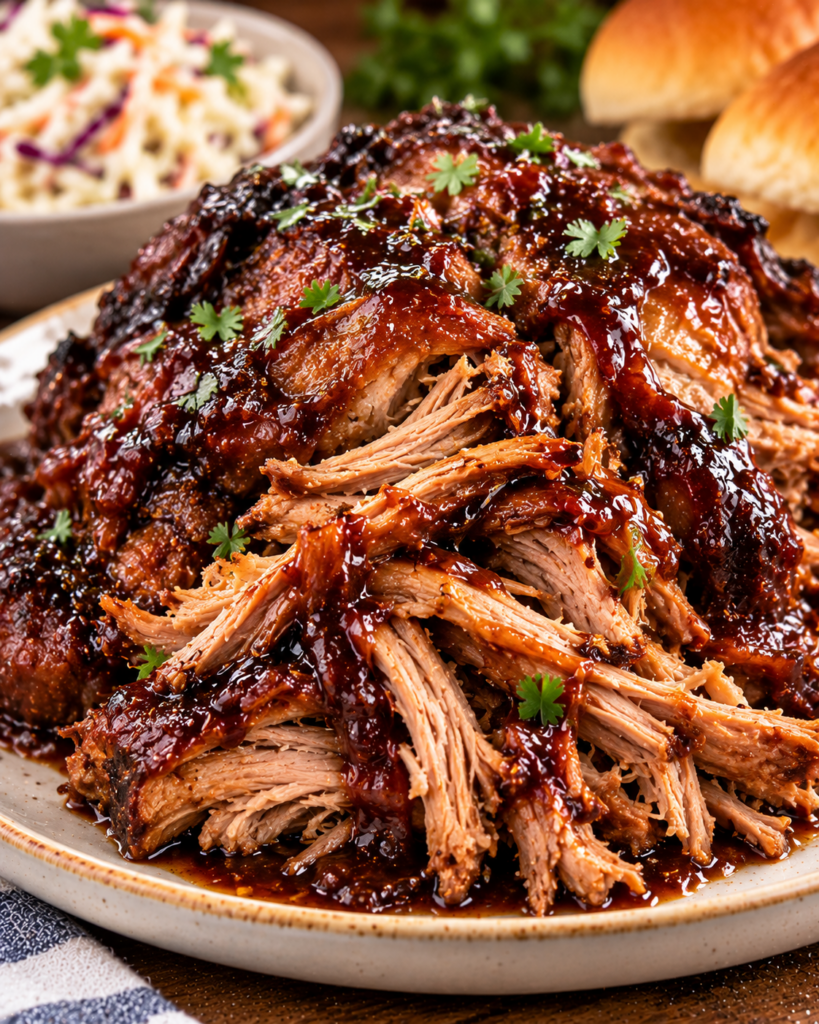
Tenderness matters more than whether the pork looks perfectly uniform. A shoulder roast may become soft enough to pull apart easily, while another presentation may retain enough structure for thick slices.
The result depends on the particular cut and the recipe’s intended finish.
Sliceable vs. Shreddable Pork
Sliceable pork should hold together without feeling tough. Shreddable pork should separate easily without turning into a dry, stringy pile.
Neither texture is automatically better. The important thing is matching the original recipe’s promise.
What About the Fat?
Pork shoulder naturally contains fat, and some of it may be visible in the cooking juices. A little richness is part of the dish’s appeal, but a greasy sauce can make the meal feel heavy.
The finished glaze should taste like a balanced sauce rather than mostly rendered fat.
Getting a Sauce That Isn’t Watery
Slow cookers retain moisture, so the liquid surrounding a roast may be thinner than expected. That can be surprising when the recipe title promises a glaze.
A glossy glaze should cling pleasantly to the meat. It doesn’t have to be extremely thick, but it should feel more cohesive than plain cooking liquid.
Whether your recipe reduces, thickens, or serves the sauce as it is should be determined by the tested recipe card.
Common Slow Cooker Pork Shoulder Problems
Why Is My Pork Shoulder Tough?
Pork shoulder contains connective tissue that needs appropriate cooking conditions to become tender. A tough result may mean the meat hasn’t reached the texture intended by the recipe, although the cut and size also matter.
Why Is the Sauce Greasy?
Shoulder is a relatively fatty cut. Rendered fat can collect in the cooking liquid and affect the glaze’s texture.
Why Is the Glaze Too Thin?
The pork releases moisture as it cooks, and slow cookers don’t evaporate liquid as readily as uncovered oven dishes. The recipe’s sauce formulation determines how thick the final glaze becomes.
Why Does the Pork Taste Dry?
Even a fatty cut can become unpleasantly dry. The meat’s cut, size, and cooking conditions all influence how much moisture it retains.
What to Serve with Balsamic Pork Shoulder
Mashed potatoes are an excellent match because their mild, creamy texture gives the sweet-tangy sauce somewhere to go. Rice works for the same reason and makes a simple family dinner feel complete.
Roasted carrots, green beans, and Brussels sprouts provide a welcome vegetable contrast. If you’re serving shredded pork, a crisp slaw can balance the richness especially well.
Leftovers, Freezing, and Reheating
Slow cooker pork shoulder can make useful leftovers for sandwiches, rice bowls, and other meals. The sauce may thicken during refrigeration, and the meat can become firmer once chilled.
Refrigerate cooked pork promptly at 40°F or below and use within three to four days. Reheat leftovers thoroughly to 165°F, and freeze portions if you need to keep them longer.
Freezing the pork with some of its sauce can help protect the texture, although the finished consistency may change after thawing.
Frequently Asked Questions
Is Pork Shoulder the Same as Pork Butt?
Pork butt is a cut from the upper shoulder. It’s related to picnic shoulder but isn’t identical in shape or composition.
Can I Use Pork Loin Instead?
Pork loin is leaner and won’t necessarily behave the same way. Use a substitution only when the recipe has been adapted for that cut.
Do I Have to Sear Pork Shoulder First?
Some recipes include searing for additional browned flavor, while others are designed without it. Follow the original recipe rather than treating searing as a universal requirement.
How Do I Thicken the Balsamic Glaze?
The appropriate approach depends on the recipe’s ingredients and intended sauce. A thin cooking liquid isn’t automatically the same as a finished glaze, so follow the tested sauce guidance.
Final Thoughts
Slow Cooker Pork Shoulder with Brown Sugar Balsamic Glaze is the kind of dinner that earns a repeat spot on the menu. The pork brings hearty comfort, while the balsamic glaze adds enough sweet-tangy flavor to make it feel different from an ordinary roast.
Serve it with potatoes and vegetables for a cozy dinner, or use the leftovers in another meal. Either way, the best part is that combination of tender pork and a sauce worth saving every last spoonful of.
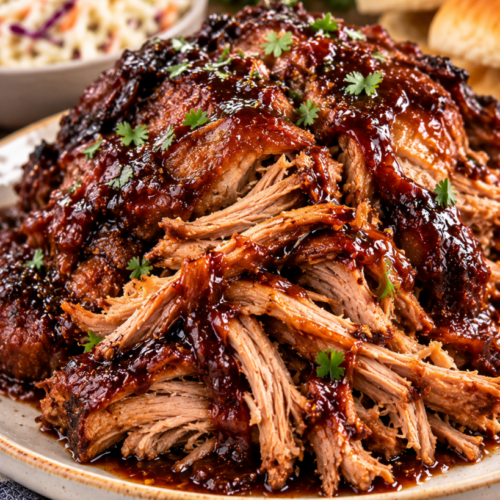
Slow Cooker Pork Shoulder
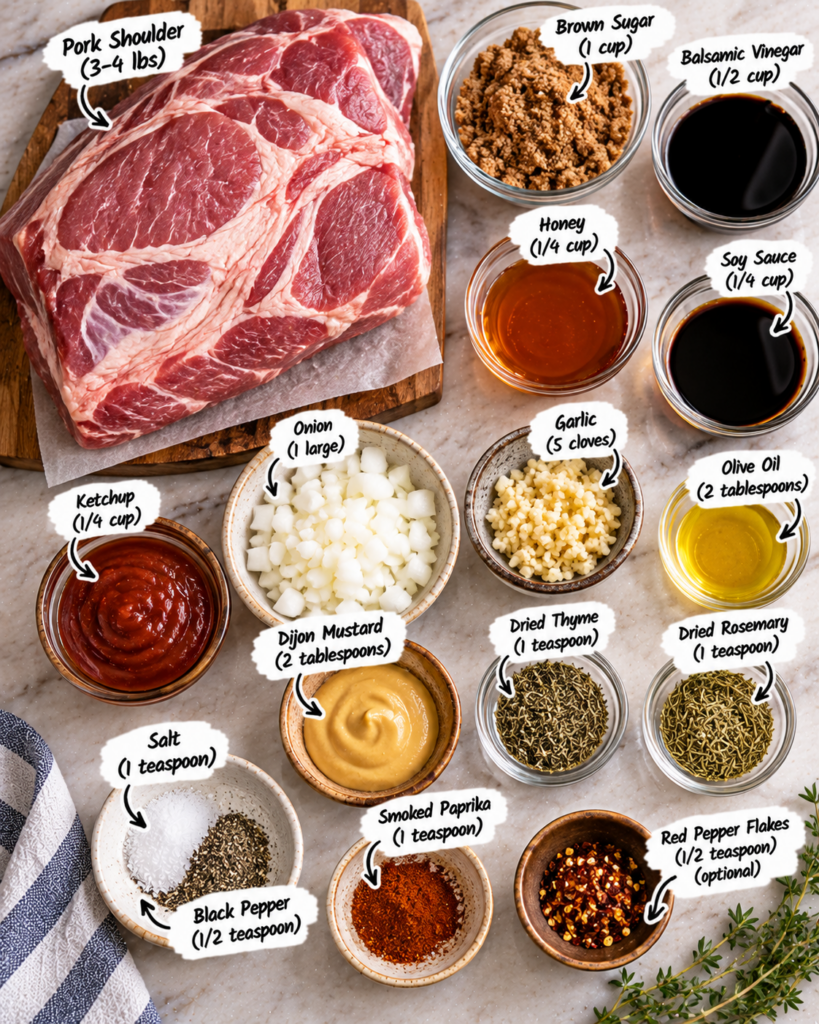
Ingredients
For the Pork
- 3 pounds pork shoulder Bone-in or boneless, as preferred.
For the Glaze
- 1/2 cup brown sugar Light or dark brown sugar can be used.
- 1/2 cup balsamic vinegar Choose a good quality balsamic vinegar.
- 1 teaspoon salt Adjust to taste.
- 1/2 teaspoon black pepper Freshly ground is best for flavor.
Instructions
Preparation
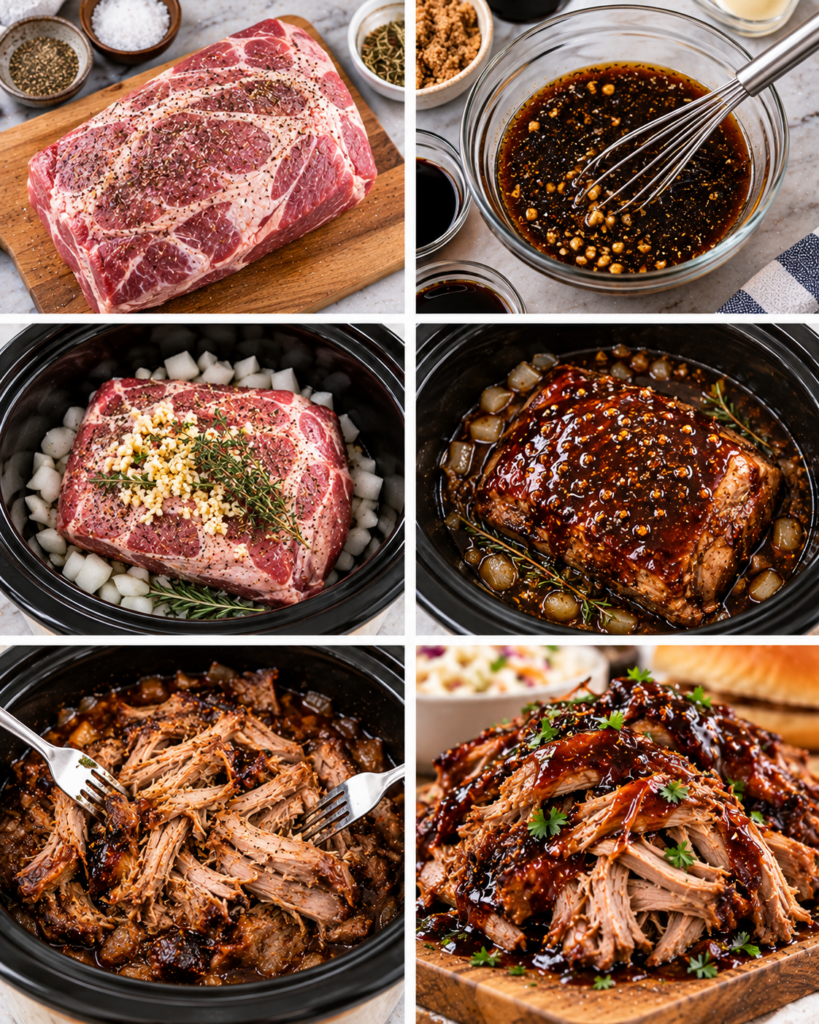
- Season the pork shoulder with salt and pepper.
- In a bowl, mix together brown sugar and balsamic vinegar until well combined.
Cooking
- Place the seasoned pork shoulder in the slow cooker.
- Pour the brown sugar balsamic mixture over the pork.
- Cover and cook on low for 8 hours or on high for 4 hours until the pork is tender.
Serving
- Remove the pork from the slow cooker and let it rest for a few minutes before slicing or shredding.
- Serve with potatoes, rice, or roasted vegetables, drizzled with the glaze.