
𝗟𝗼𝘂𝗶𝘀𝗶𝗮𝗻𝗮 𝗦𝗲𝗮𝗳𝗼𝗼𝗱 𝗚𝘂𝗺𝗯𝗼 is one of those meals I make when I need dinner to feel like a warm blanket and a good story at the same time. Maybe you have a bag of shrimp in the freezer, a couple links of sausage, and no clue what to do that feels special. Or maybe you tried gumbo once, it turned out thin, bland, or weirdly bitter, and you never wanted to mess with it again. I get it, gumbo can feel like a whole project. But once you learn the few make or break steps, it becomes totally doable. Let me walk you through how I make mine at home, without stress and without fancy chef talk.
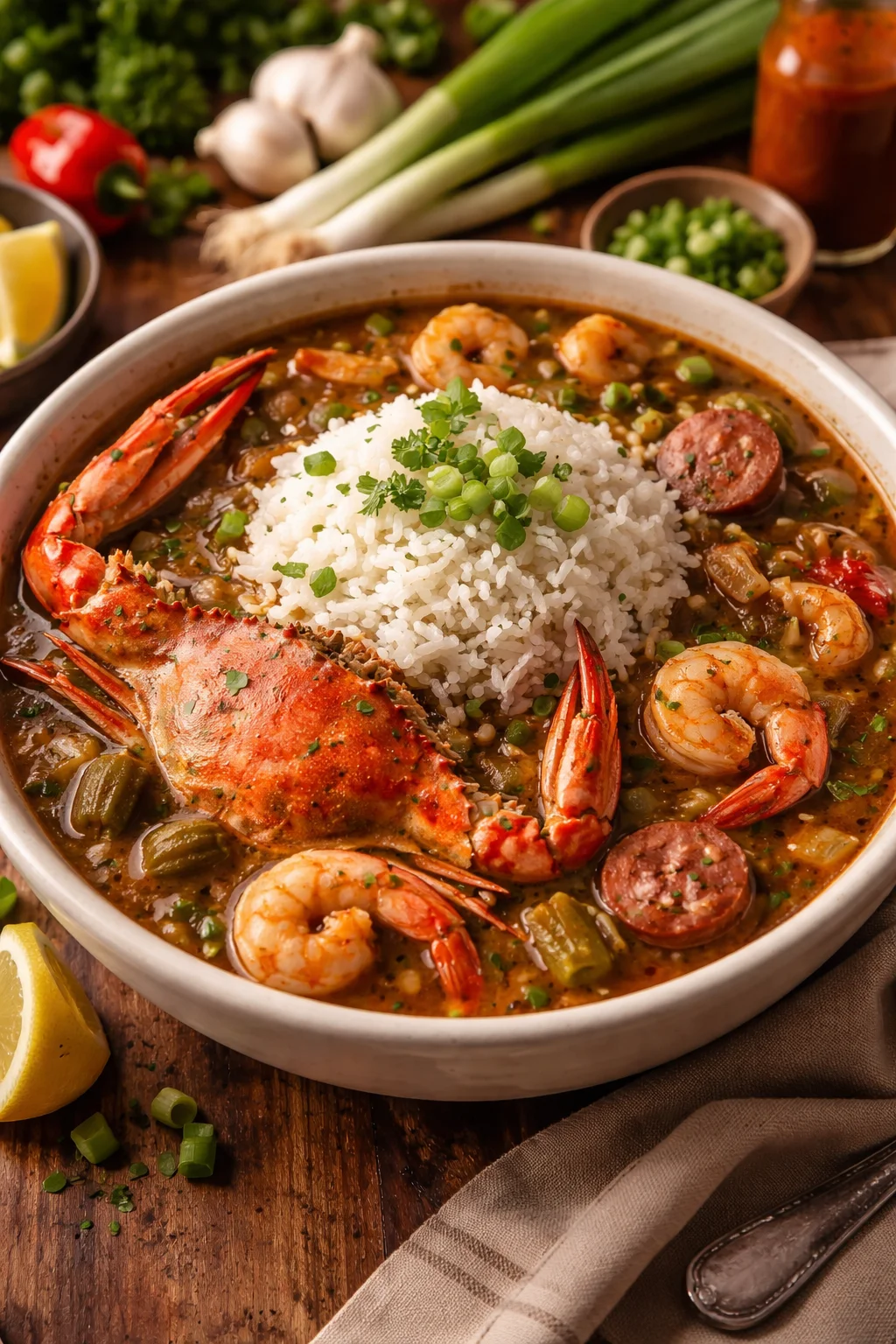
Gumbo vs. Jambalaya
People mix these up all the time, and honestly I used to, too. They both taste like Louisiana comfort, they both show up at gatherings, and they both make your kitchen smell amazing. But they are not the same thing.
Gumbo is a stew. It’s usually served over rice, and the rice is more like a base that soaks up all that rich broth. Jambalaya is a rice dish where the rice cooks in the pot with everything else. That means jambalaya is thicker and more “mixed together,” while gumbo is more spoonable and saucy.
Here’s the quick way I remember it:
- Gumbo = stew + rice on the side (or underneath)
- Jambalaya = rice cooked right in the pot
Also, gumbo usually starts with a roux, and jambalaya usually doesn’t. That roux is the whole personality of the dish. More on that next.
And if you’re building a Louisiana night at home, I like pairing gumbo with a simple starter. I usually do something light and crunchy first, like a salad or a quick snack. If you need ideas, I keep a running list on my easy appetizer ideas page that’s saved me more times than I can count.
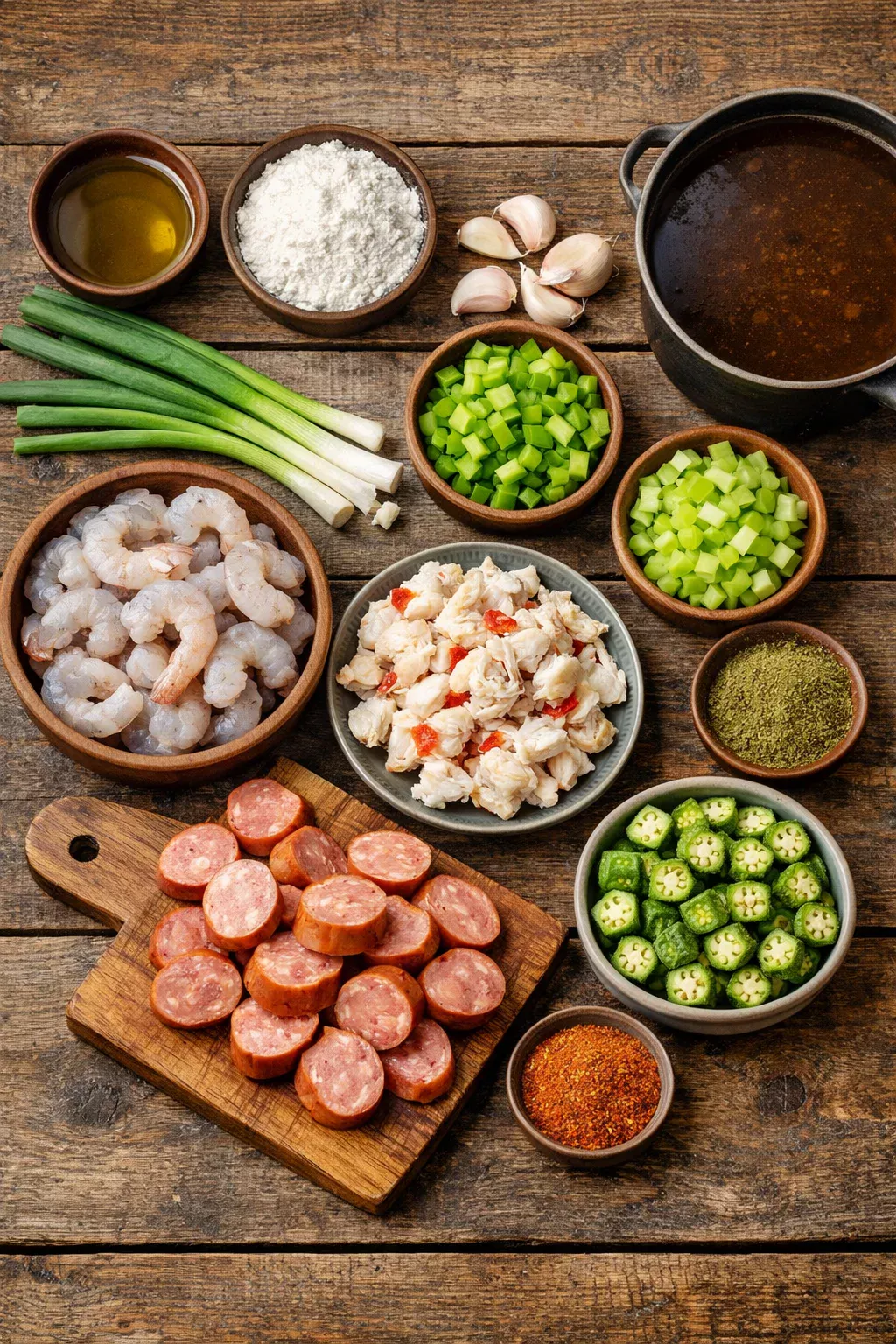
What is a Roux?
A roux is basically flour cooked in fat, and it’s what gives gumbo that deep, nutty flavor and that cozy, slightly thick texture. It sounds simple because it is simple, but it does need your attention.
For 𝗟𝗼𝘂𝗶𝘀𝗶𝗮𝗻𝗮 𝗦𝗲𝗮𝗳𝗼𝗼𝗱 𝗚𝘂𝗺𝗯𝗼, I go for a medium to dark roux. Think the color of peanut butter moving toward milk chocolate. Darker roux equals deeper flavor, but if you push it too far, it can burn fast and you’ll have to start over. I have started over before. It hurts.
My no panic roux method
I use a heavy pot, medium heat, and I don’t walk away. I stir slowly but constantly. If it starts smelling like burnt popcorn, it’s probably burnt. If it smells nutty and toasted, you’re winning.
Basic roux ratio that works great at home:
1 part oil to 1 part flour (example: 1 cup oil + 1 cup flour)
Once your roux is the color you want, you add the chopped onions, celery, and bell pepper right into it. That cools it down and stops the cooking. Plus, the veggies soak up all that flavor. Your kitchen will smell like something really good is happening, because it is.
Right after the veggies soften, I add garlic, then broth. And just like that, you’re on your way.
By the way, if you like reading up on Louisiana basics, I have a beginner friendly write up on Cajun and Creole pantry staples that can help you shop without guessing.
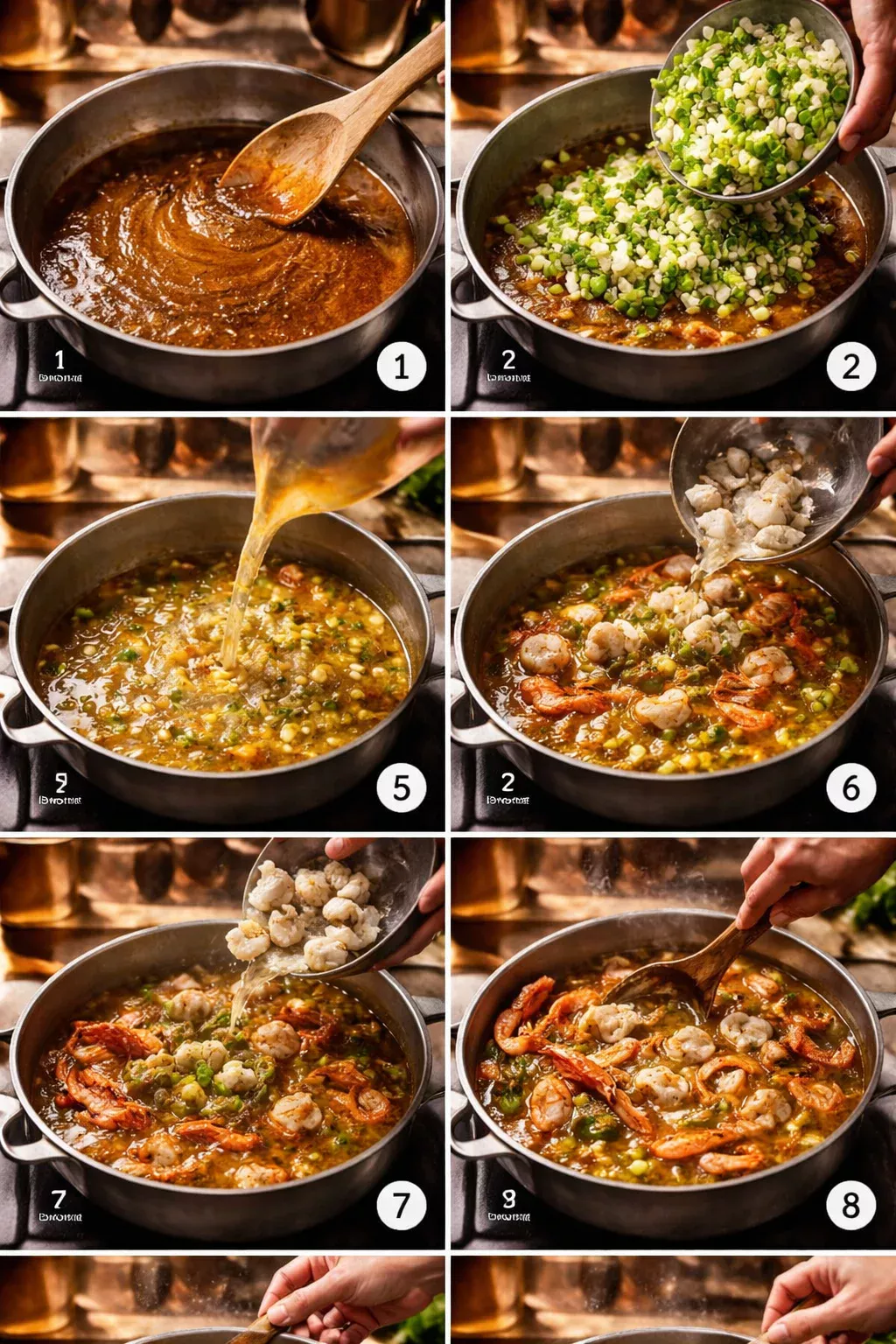
Tips for the Best Gumbo Ever
This is the part I wish someone had told me the first time I tried making it. You don’t need to be a pro. You just need a few solid habits.
Do these and your gumbo gets instantly better
- Take your time on the roux. It is not a race. Low and steady wins.
- Season in layers. A little when the veggies cook, a little when the broth goes in, then adjust near the end.
- Use good broth. Store bought is fine, just pick one that tastes good on its own.
- Add seafood near the end. Shrimp and crab don’t want to simmer forever.
- Let it rest. Gumbo tastes even better after it sits for a bit. I swear it settles into itself.
One more thing, gumbo shouldn’t taste like “just spice.” It should taste rich, savory, and a little smoky if you use sausage. If you want heat, add it, but don’t let heat be the only flavor.
“I made this for my family and they went quiet for the first five minutes because they were too busy eating. That never happens. This gumbo is now a regular thing at our house.”
If you’re planning a full comfort food dinner, I also love serving something sweet afterward. I’ve got a cozy dessert roundup on my simple Southern desserts page that fits the vibe without being complicated.
Recipe variations and substitute ideas
I’m going to say something that might make a purist roll their eyes: gumbo is flexible. The heart of it is the roux, the holy trinity veggies, and that long simmer that pulls it together. After that, you can make it work with what you have.
My favorite seafood combo
For 𝗟𝗼𝘂𝗶𝘀𝗶𝗮𝗻𝗮 𝗦𝗲𝗮𝗳𝗼𝗼𝗱 𝗚𝘂𝗺𝗯𝗼, I usually do shrimp plus crab, and then I add andouille sausage because I love that smoky kick. If you do not eat pork, use smoked turkey sausage instead. It still hits the spot.
Sub ideas that actually work:
Seafood swaps
- Shrimp: peeled and deveined, fresh or frozen
- Crab: lump crab, claw meat, or even a good canned crab in a pinch
- Fish: firm fish like catfish or cod, added near the end so it does not fall apart
Thickener options
- Roux does most of the work, but you can add a little okra for classic gumbo vibes
- Filé powder (ground sassafras) can be stirred in at the end, but go light so it does not get slimy
Flavor and heat
- Cayenne for heat
- Paprika for warmth
- A few dashes of hot sauce at the table
Also, if you’re watching salt, go easy at first. Sausage, broth, and seafood can all bring salt on their own, so taste before you keep shaking.
When I’m using frozen shrimp, I thaw it in a bowl of cold water, pat it dry, and add it at the very end. That keeps it tender instead of rubbery.
And if you love one pot meals like this, you might like my weeknight stew and soup recipes page. It’s basically my backup plan for busy weeks.
Perfect pairings: What to serve with seafood gumbo
Let’s talk about the fun part, what goes with it. The bowl is already a full meal, but the right sides make it feel like a whole moment.
My go to is simple white rice, cooked so it is fluffy and not mushy. I scoop rice into the bowl first, then ladle gumbo on top. For 𝗟𝗼𝘂𝗶𝘀𝗶𝗮𝗻𝗮 𝗦𝗲𝗮𝗳𝗼𝗼𝗱 𝗚𝘂𝗺𝗯𝗼, I also like a little chopped green onion and parsley on top for freshness.
Easy sides that make sense:
- Cornbread or crusty bread for dipping
- Simple green salad with a tangy dressing
- Roasted veggies if you want something lighter
- Potato salad on the side if you want a classic Louisiana style plate
If you’re serving guests, put hot sauce on the table, plus extra herbs and lemon wedges. People love customizing their bowl.
Common Questions
Can I make gumbo ahead of time?
Yes, and it’s honestly better the next day. Make the base, cool it, and add the seafood when reheating so it stays tender.
How do I store and reheat leftovers?
Store gumbo in the fridge up to 3 days. Reheat gently on the stove. If it thickens, add a splash of broth or water and stir.
Why did my roux burn?
Heat was too high or it was left alone too long. Keep it at medium or medium low and stir constantly. If it smells burned, toss it and start over. It happens.
Can I freeze 𝗟𝗼𝘂𝗶𝘀𝗶𝗮𝗻𝗮 𝗦𝗲𝗮𝗳𝗼𝗼𝗱 𝗚𝘂𝗺𝗯𝗼?
You can freeze the gumbo base really well. I recommend freezing it without shrimp, then adding fresh shrimp when you reheat. Texture stays way better.
Do I have to use okra?
Nope. Some people love it, some people do not. Roux alone is fine. If you want that classic touch, add okra and let it simmer until it softens.
A cozy bowl worth the time
If you take anything from my rambling here, let it be this: a good roux and a calm simmer will carry you. 𝗟𝗼𝘂𝗶𝘀𝗶𝗮𝗻𝗮 𝗦𝗲𝗮𝗳𝗼𝗼𝗱 𝗚𝘂𝗺𝗯𝗼 is not hard once you stop treating it like a mystery and start treating it like a rhythm. If you want to compare another home style version, this Authentic Louisiana Seafood Gumbo Recipe | The Cagle Diaries is a great read. And for a Cajun leaning twist, I also like Cajun Seafood Gumbo – Britney Breaks Bread for extra inspiration. Now promise me you’ll try it at least once, and do not rush the roux. Your future self with a full bowl is going to be very grateful.
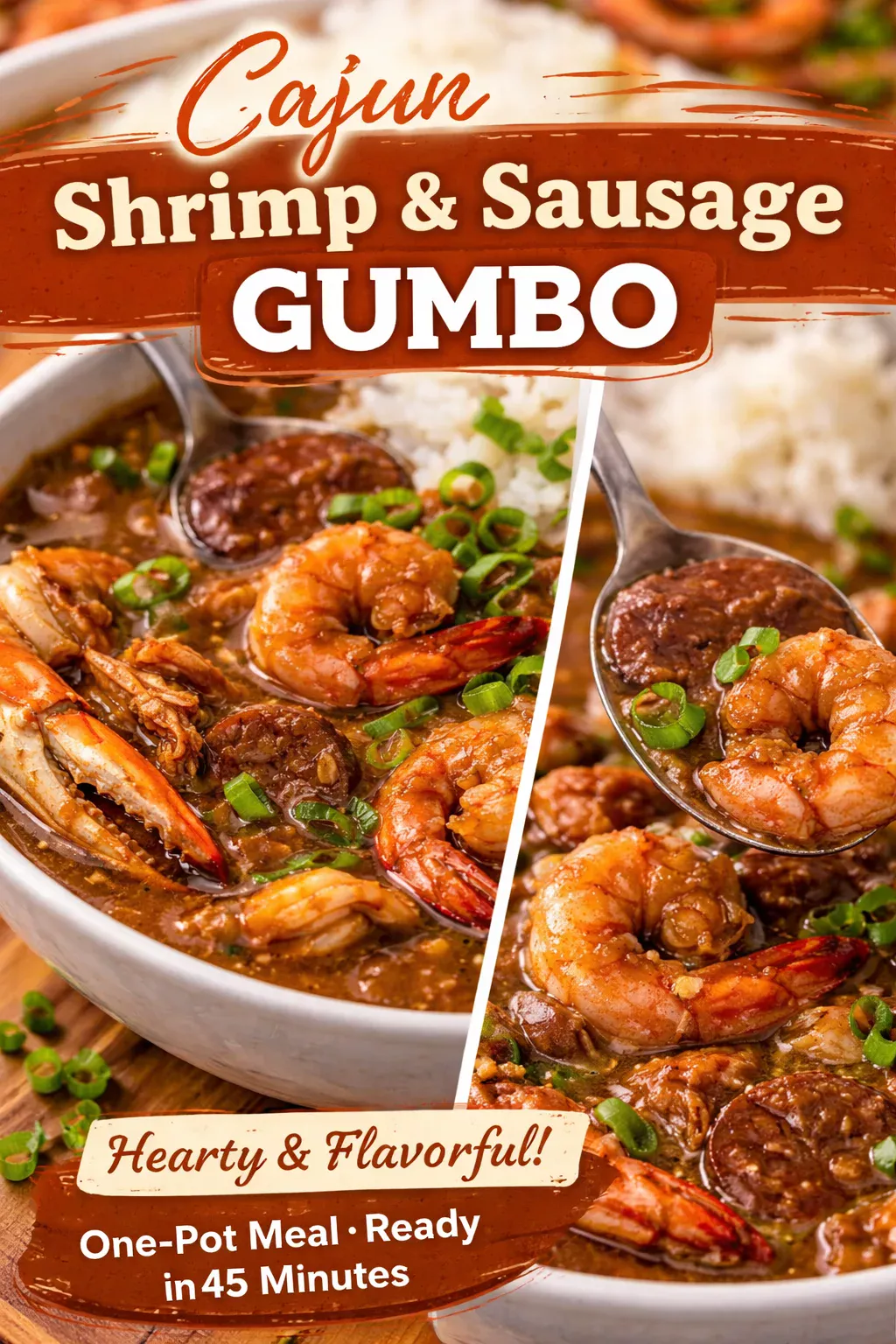
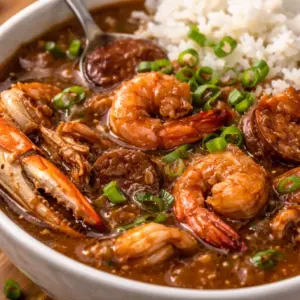
Louisiana Seafood Gumbo
Ingredients
For the Roux
- 1 cup oil Any cooking oil
- 1 cup all-purpose flour For making the roux
For the Gumbo
- 1 cup chopped onions Onion adds sweetness
- 1 cup chopped celery Part of the holy trinity of vegetables
- 1 cup chopped bell pepper
- 4 cloves garlic, minced For flavor
- 6 cups broth Chicken or seafood broth
- 1 lb peeled and deveined shrimp Add at the end
- 1 lb lump crab Can also use canned crab
- 2 links andouille sausage, sliced For a smoky flavor
- 2 tbsp cayenne pepper Adjust to taste
- 2 tbsp paprika For warmth
- 1 tbsp hot sauce Serve on the side
For Serving
- 3 cups cooked white rice Fluffy, served under the gumbo
- 1/4 cup chopped green onions For garnish
- 1/4 cup chopped fresh parsley For freshness and garnish
Instructions
Make the Roux
- In a heavy pot, heat the oil over medium heat.
- Slowly whisk in the flour, continuously stirring.
- Cook until the roux turns a dark brown color, reminiscent of peanut butter to milk chocolate.
Prepare the Base
- Add the chopped onions, celery, and bell pepper to the roux, stirring to combine.
- Cook until the vegetables are soft.
- Stir in the minced garlic and cook for an additional minute.
- Add the broth and bring to a gentle simmer.
Finish the Gumbo
- Stir in the sliced sausage and allow the mixture to simmer.
- Add the shrimp and crab, cooking just until the seafood is cooked through.
- Season with cayenne pepper and paprika to taste.
Serve
- Serve the gumbo over a scoop of cooked white rice.
- Garnish with chopped green onions and parsley.
- Provide hot sauce on the side for added spice.
