
Soft & Chewy Dairy-Free Chocolate Chip Cookies
Pinterest Tumblr Print Email Love ThisChocolate chip cookies should be soft in the middle, lightly golden around the edges, and full of chocolate that tastes good enough to make you…
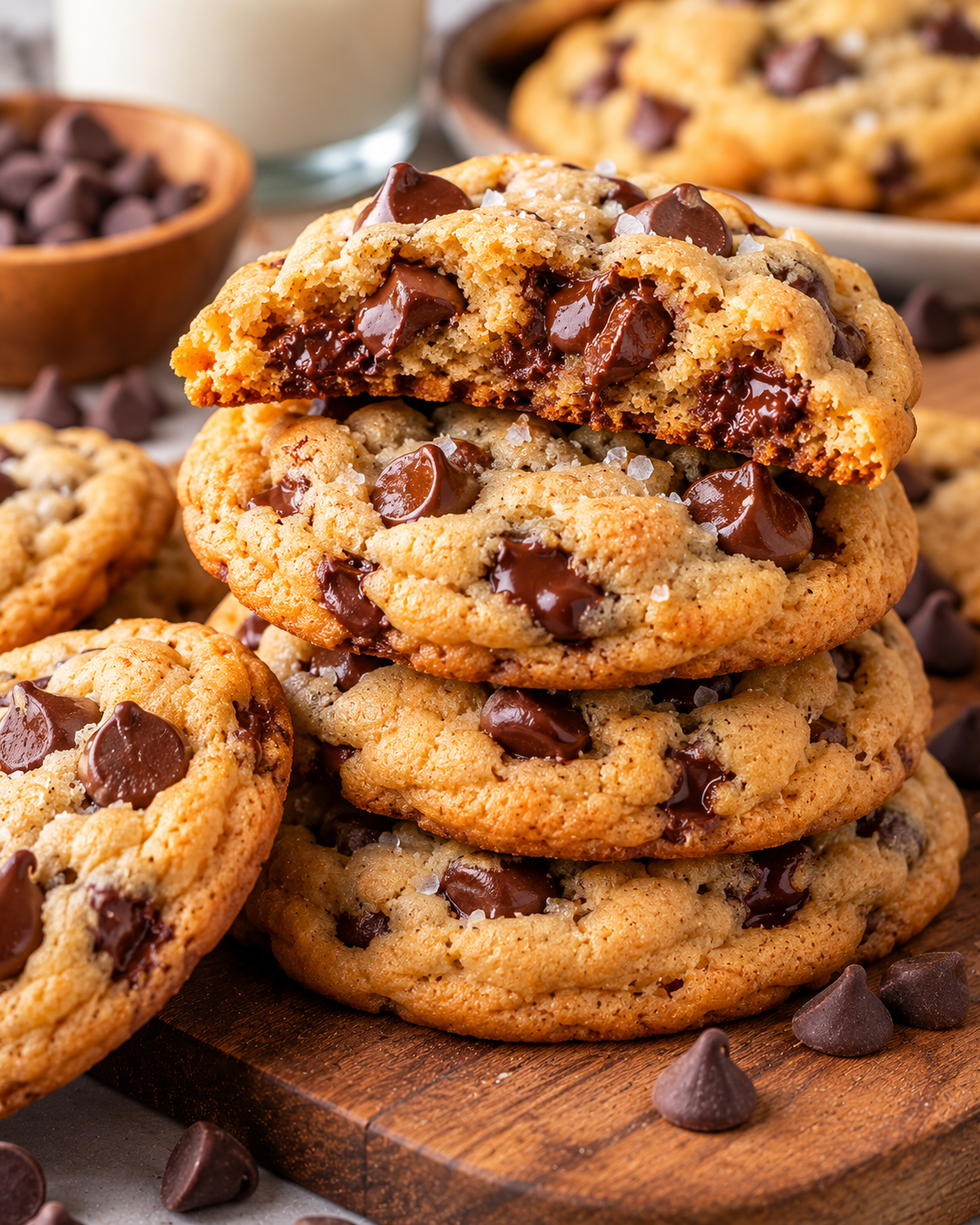
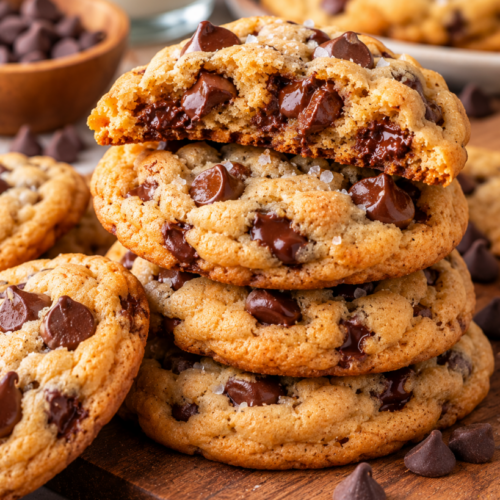
Chocolate chip cookies should be soft in the middle, lightly golden around the edges, and full of chocolate that tastes good enough to make you reach for another. Removing dairy doesn’t have to mean giving up those familiar qualities.
The challenge with dairy-free chocolate chip cookies is finding ingredients that behave like the ones used in traditional cookies. Butter alternatives vary in fat and water content, and not every package of chocolate chips is actually dairy-free.
A good dairy-free chocolate chip cookie should taste like a proper homemade cookie, not a compromise. The center should be tender, the edges should have a little chew, and the chocolate should be the flavor you notice first.
What Makes These Cookies Dairy-Free?
A dairy-free cookie doesn’t contain milk-derived ingredients. That includes butter, milk, cream, and other dairy components that may appear in baking products.
Chocolate chips deserve particular attention because many contain milk ingredients. Even dark chocolate isn’t automatically dairy-free.
Dairy-free also doesn’t mean egg-free, gluten-free, or vegan. Those are separate dietary claims that depend on the complete ingredient list.
Best Dairy-Free Butter and Chocolate Chips
Butter Alternatives and Texture
Plant-based butter products vary considerably. Some are formulated for baking, while others contain more water and may behave differently in cookie dough.
The type of fat affects how cookies spread, brown, and feel after cooling. A substitute that works in one recipe may create flatter or firmer cookies in another.
If the recipe uses oil rather than plant-based butter, that can produce a different texture again. Follow the recipe card rather than treating all butter substitutes as interchangeable.
Checking Chocolate Chip Labels
Chocolate chips labeled dark or semi-sweet may still contain milk ingredients. Read the full label instead of relying on the front of the package.
If dairy avoidance is related to an allergy, allergen statements and potential cross-contact are also important. Products marketed as plant-based aren’t necessarily appropriate for every allergy situation.
The chocolate should taste good on its own because it remains a major flavor in the finished cookies.
Tips for Soft Centers and Chewy Edges
A soft cookie needs the right balance of fat, sugar, and flour. Too much flour can make the crumb dry, while an unsuitable fat substitute can change how the dough spreads.
Cookies also continue to firm up as they cool. A cookie that feels delicate when warm may develop a pleasant chew after it has settled.
Overbaking is one of the easiest ways to lose a soft center. The recipe’s visual doneness cues matter more than expecting every oven to behave identically.
Chilling Dough and Preventing Spread
Chilling can affect how quickly the fat in cookie dough softens during baking. Some recipes rely on that rest to produce thicker cookies.
Others are designed to bake without chilling. Adding or skipping a chill can change the intended shape.
Excess spreading can also result from ingredient substitutions, warm dough, or an incorrect flour balance. A very soft plant-based spread may not behave like a firm baking stick.
Common Cookie Troubleshooting
Flat cookies may indicate that the dough spread too quickly before the structure set. The type of fat and dough temperature are common factors.
Dry cookies can result from overbaking or too much flour. Adding more chocolate chips won’t correct a crumb that’s already dry.
A greasy texture may suggest that the chosen fat doesn’t work well with the recipe’s proportions.
The most useful troubleshooting starts with the exact products used, especially when baking without dairy.
Flavor Variations
Chopped dairy-free dark chocolate can create larger pockets of chocolate than small chips. Toasted nuts may add crunch and a roasted flavor.
A little cinnamon can bring warmth, while flaky salt on top provides a savory contrast. Those additions change the flavor without needing to turn the cookie into a completely different dessert.
For anyone managing allergies, check all additional products and their labels.
Storage, Freezing Dough, and Reheating
Store fully cooled cookies in an airtight container to help preserve their softness. Exposure to air can make them dry and firm.
Many chocolate chip cookie doughs freeze well, although the best baking method for frozen dough depends on the recipe.
Baked cookies can also be frozen. Proper wrapping helps protect their flavor and texture during storage.
Frequently Asked Questions About Dairy-Free Chocolate Chip Cookies
Are dairy-free cookies vegan?
Not necessarily. Dairy-free cookies may still contain eggs or other animal-derived ingredients. A vegan claim requires checking the entire recipe.
Why did my cookies spread?
The fat substitute, dough temperature, flour balance, and baking conditions can all affect spreading.
Can I freeze cookie dough?
Many cookie doughs can be frozen successfully. Follow the recipe’s storage and baking guidance for the best results.
Final Thoughts
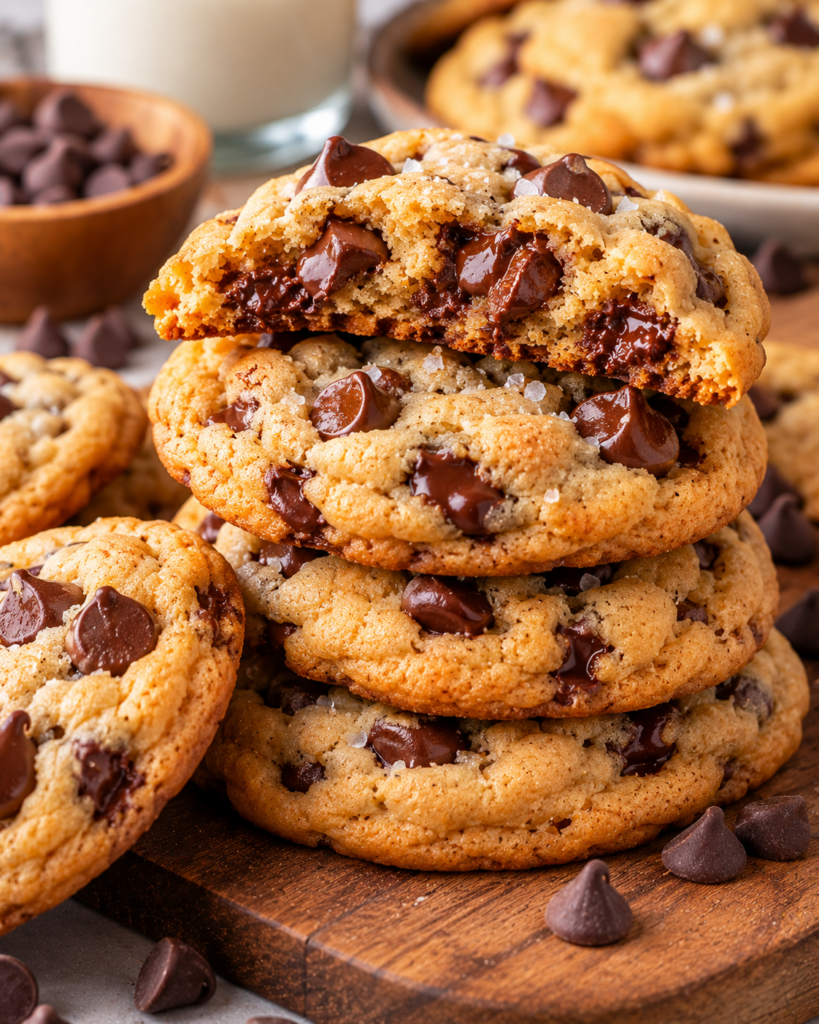
Soft and chewy dairy-free chocolate chip cookies should be judged by the same standards as any other good cookie. They need a tender center, enjoyable texture, and plenty of chocolate flavor.
The most important part is choosing baking ingredients that work together. When the fat and chocolate are right for the recipe, there’s no reason dairy-free cookies can’t be a favorite.

Soft & Chewy Dairy-Free Chocolate Chip Cookies
Ingredients
Cookie Base
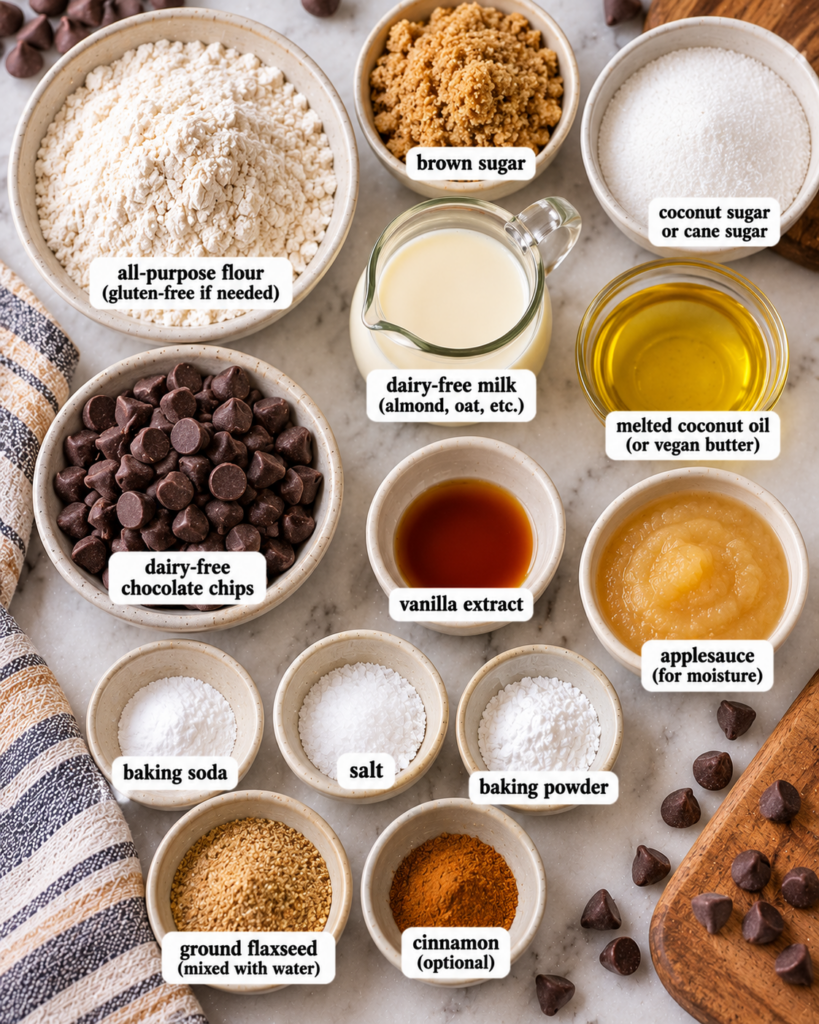
- 1 cup plant-based butter (like Earth Balance sticks) Substitute for regular butter.
- 3/4 cup brown sugar, packed Provides moisture and sweetness.
- 1/2 cup white sugar For added sweetness.
- 2 large eggs Can substitute with flax eggs for vegan option.
- 2 teaspoons vanilla extract
- 2 1/4 cups all-purpose flour Can use oat or almond flour, but texture may vary.
- 1 teaspoon baking soda Ensure it’s fresh for best results.
- 1/2 teaspoon salt
- 2 cups dairy-free chocolate chips Enjoy Life or Trader Joe’s are recommended.
Instructions
Preparation
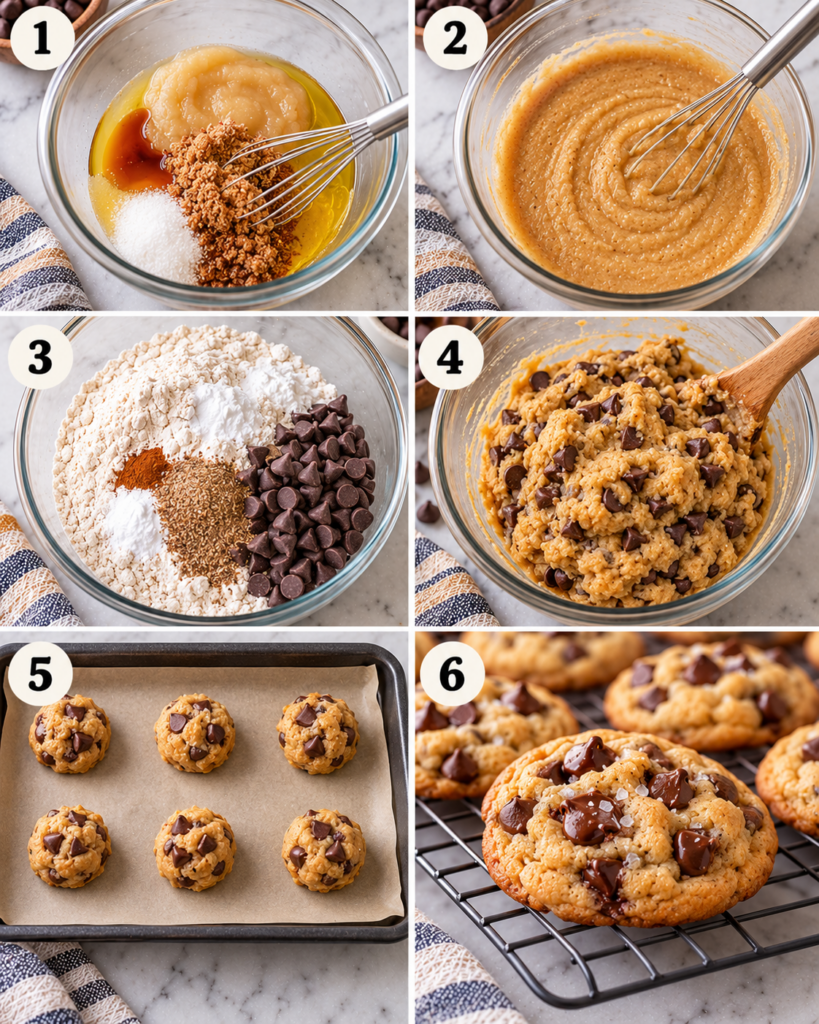
- Preheat your oven to 350°F (175°C).
- In a large bowl, cream together the plant-based butter and both sugars until fluffy.
- Add the eggs and vanilla extract, mixing until combined.
- Gradually add in the dry ingredients: flour, baking soda, and salt. Mix until just combined.
- Fold in the dairy-free chocolate chips.
Chilling
- Chill the dough for about 30 minutes to enhance chewiness.
Baking
- Scoop spoonfuls of dough onto a baking sheet.
- Bake in the preheated oven for about 10 minutes, until slightly soft.
- Let the cookies cool on the tray for a few minutes before transferring to a cooling rack.
Notes
Soft & Chewy Dairy-Free Chocolate Chip Cookies
Ingredients
Cookie Base
- 1 cup plant-based butter (like Earth Balance sticks) Substitute for regular butter.
- 3/4 cup brown sugar, packed Provides moisture and sweetness.
- 1/2 cup white sugar For added sweetness.
- 2 large eggs Can substitute with flax eggs for vegan option.
- 2 teaspoons vanilla extract
- 2 1/4 cups all-purpose flour Can use oat or almond flour, but texture may vary.
- 1 teaspoon baking soda Ensure it’s fresh for best results.
- 1/2 teaspoon salt
- 2 cups dairy-free chocolate chips Enjoy Life or Trader Joe’s are recommended.
Instructions
Preparation
- Preheat your oven to 350°F (175°C).
- In a large bowl, cream together the plant-based butter and both sugars until fluffy.
- Add the eggs and vanilla extract, mixing until combined.
- Gradually add in the dry ingredients: flour, baking soda, and salt. Mix until just combined.
- Fold in the dairy-free chocolate chips.
Chilling
- Chill the dough for about 30 minutes to enhance chewiness.
Baking
- Scoop spoonfuls of dough onto a baking sheet.
- Bake in the preheated oven for about 10 minutes, until slightly soft.
- Let the cookies cool on the tray for a few minutes before transferring to a cooling rack.