
Soft Gluten-Free Dinner Rolls (Fluffy and Easy)
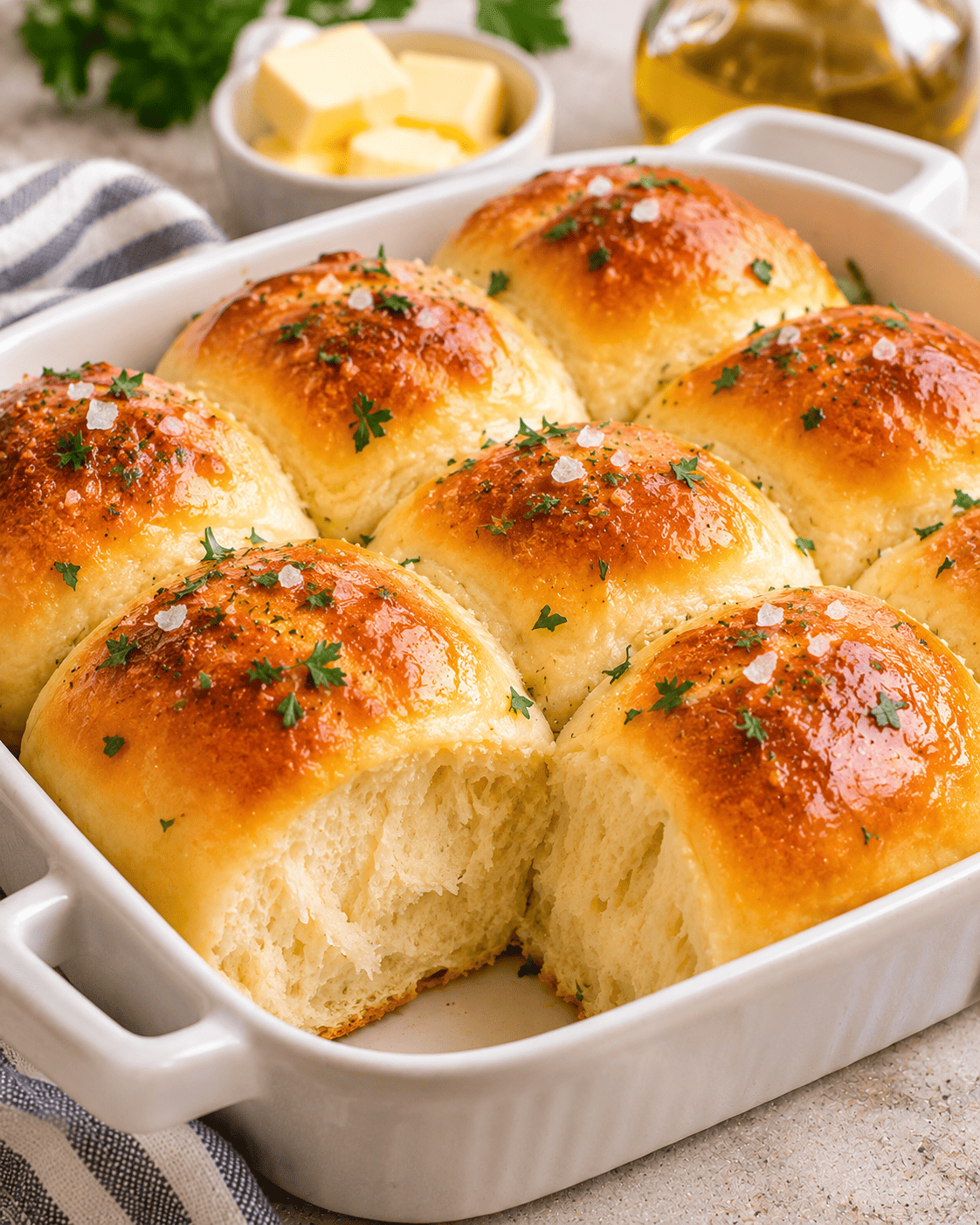
Warm dinner rolls can make even a simple meal feel a little more inviting. There’s something comforting about a soft roll alongside soup, a holiday roast, or a family dinner, especially when the bread is tender enough to enjoy without crumbling apart.
Gluten-free dinner rolls can be just as satisfying, but they need the right structure. Without wheat gluten, the dough behaves differently, and the finished texture depends heavily on the flour blend and other ingredients.
A good gluten free dinner rolls recipe should produce bread that’s soft, pleasant to pull apart, and sturdy enough to hold a little butter or accompany a saucy meal.
What Makes Gluten-Free Rolls Soft?
Wheat gluten provides elasticity and structure in conventional bread. Gluten-free recipes rely on different ingredients to create a similar sense of softness and cohesion.
Moisture is particularly important. A roll that’s too dry may crumble, while one with too much moisture can feel gummy.
Softness vs. Gumminess
A tender roll should compress slightly when bitten and still feel like bread. A gummy roll may have a sticky center that feels underdeveloped.
The distinction matters because adding more moisture doesn’t automatically produce a softer result.
Choosing the Right Gluten-Free Flour
Gluten-free flour blends vary widely. Some contain rice flour, starches, and binding ingredients, while others are designed for specific types of baking.
A flour labeled gluten-free isn’t necessarily suitable for every bread recipe.
One-to-One Gluten-Free Flour
Some blends are marketed as substitutes for wheat flour, but their performance varies. A blend that works well for cookies may not produce the same structure in bread.
Xanthan Gum and Psyllium
These ingredients are used in certain gluten-free bread recipes to help with structure. They aren’t universal requirements, and the original recipe should determine whether either is appropriate.
Yeast vs. No-Yeast Dinner Rolls
Some gluten-free rolls rely on yeast, while others use different leavening systems. The finished flavor and texture can differ considerably.
A yeast-based recipe shouldn’t be described as no-yeast simply because it’s gluten-free.
Why the Difference Matters
Yeast-based rolls may have a familiar bread aroma and a particular crumb structure. No-yeast versions can be quicker but may have a different texture.
The recipe card should determine which style this article represents.
Getting a Tender, Well-Structured Crumb
A good gluten-free roll should hold together when pulled apart or sliced. It may be slightly different from wheat bread, but it shouldn’t collapse into crumbs.
The flour blend, moisture balance, and recipe’s leavening system all contribute to the finished texture.
Why Rolls Turn Dense
Dense rolls may lack the intended structure or rise. The cause depends on the ingredients and whether the recipe uses yeast.
Why the Center Turns Gummy
A gummy center can result from the recipe’s moisture balance or an interior that hasn’t developed the intended texture.
Why the Crust Becomes Dry
Gluten-free baked goods can lose moisture during storage. A very dry exterior may make a roll feel stale sooner than expected.
Serving Gluten-Free Dinner Rolls
These rolls are especially welcome alongside soups, stews, and roasted meats. They also fit naturally into Thanksgiving and Christmas dinners.
A soft gluten-free roll can be useful for small sandwiches when its structure allows it to hold fillings without falling apart.
For guests with celiac disease, use certified gluten-free ingredients where appropriate and take cross-contact seriously.
Make-Ahead and Freezing
Gluten-free rolls may change texture as they cool or sit in storage. Some become firmer sooner than conventional wheat rolls.
Freezing can help preserve quality for later meals. Keep the rolls properly wrapped and follow the recipe’s storage recommendations.
Frequently Asked Questions About Gluten-Free Dinner Rolls
Why Are My Gluten-Free Rolls Dense?
The flour blend, moisture balance, and leavening system all affect the result. A dense texture doesn’t necessarily have one simple cause.
Can I Make Gluten-Free Dinner Rolls Ahead?
Yes, many versions can be prepared ahead or frozen. Their texture may change during storage, so follow the recipe’s guidance.
Can I Use Regular Gluten-Free All-Purpose Flour?
Only if the blend is suitable for the tested recipe. Gluten-free flours vary in composition and aren’t always interchangeable.
Do Gluten-Free Rolls Need Yeast?
No. Some recipes use yeast and others don’t. The correct description depends on the original recipe.
Final Thoughts
Soft Gluten-Free Dinner Rolls are a welcome addition to everyday meals and holiday tables. A tender crumb and pleasant texture make them satisfying even without traditional wheat flour.
The best rolls hold together, stay soft enough to enjoy, and taste like something you’d happily serve to everyone at the table.

Soft Gluten-Free Dinner Rolls
Ingredients
Dry Ingredients
- 2 cups Gluten-free flour blend Use a blend suitable for bread
- 1 tbsp Xanthan gum Helps with structure
- 1 tbsp Baking powder For leavening
- 1 tsp Salt
Wet Ingredients
- 1 cup Warm water Help activate yeast if using
- 1 tbsp Sugar To feed the yeast if used
- 2 tbsp Oil Preferably olive or vegetable oil
- 1 tbsp Apple cider vinegar Helps with the texture
Optional Ingredients
- 1 tbsp Yeast For yeast-based rolls, if desired
Instructions
Preparation
- Preheat your oven to 375°F (190°C).
- In a bowl, combine all dry ingredients.
- In another bowl, mix warm water, sugar, oil, and vinegar.
Mixing
- If using, add yeast to the wet ingredients and let it foam for 5 minutes.
- Combine wet and dry ingredients until a dough forms.
Shaping
- Grease your hands and take portions of the dough to shape into rolls.
- Place shaped rolls onto a baking sheet lined with parchment paper.
Baking
- Let the rolls rise for about 15-20 minutes.
- Bake in the preheated oven for 20-25 minutes, or until golden brown.