
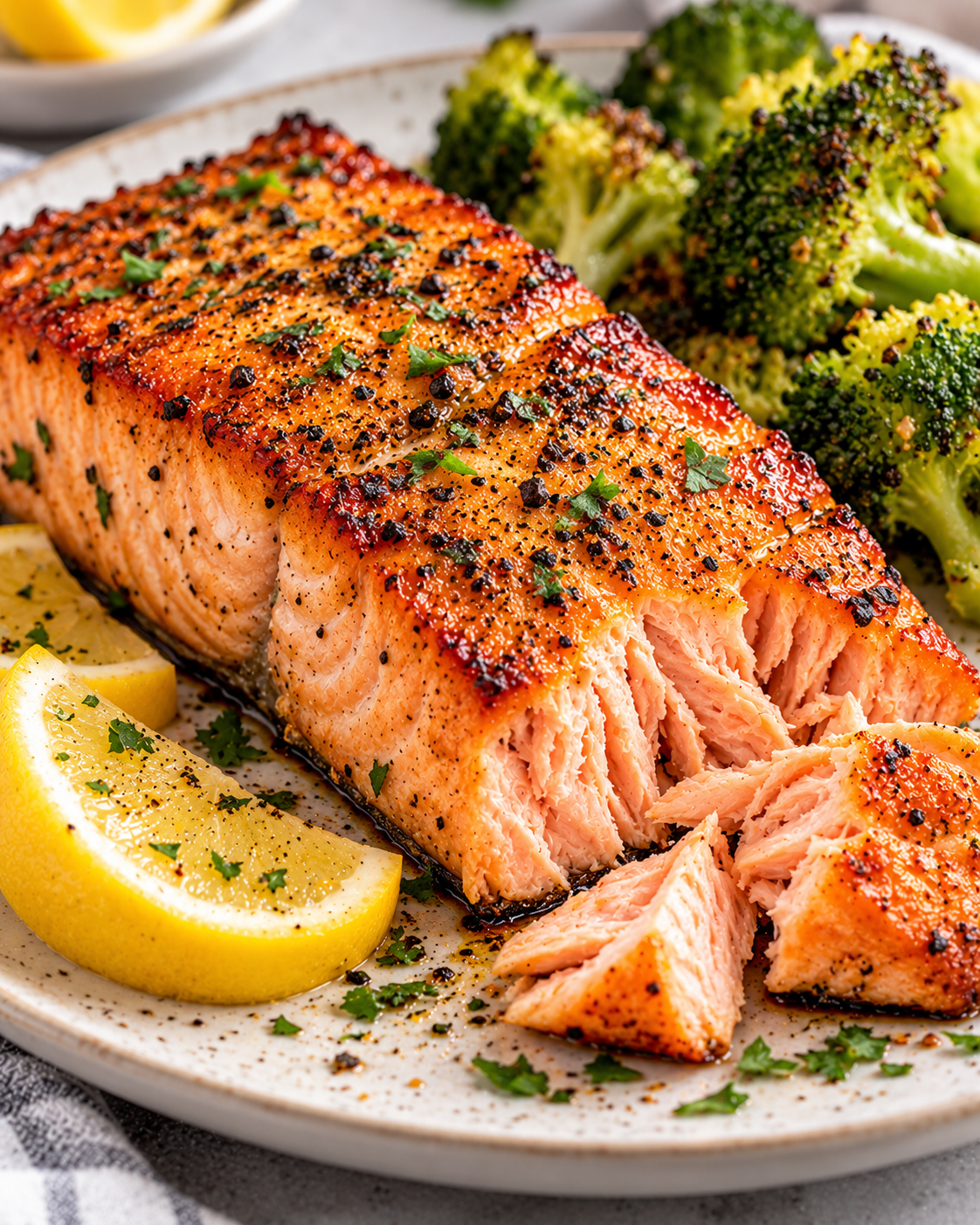
Salmon is one of those dinners that can feel special without requiring an elaborate meal. When it’s cooked well, the fish is tender, flavorful, and easy to pair with vegetables, rice, or a simple salad.
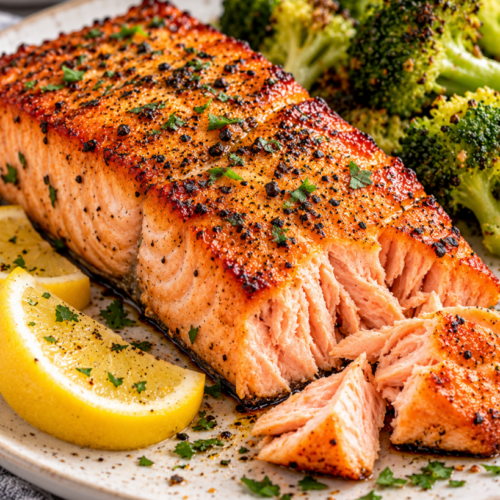
This air fryer salmon recipe is designed around that appealing combination of convenience and texture. The circulating hot air can create lightly browned edges while leaving the center moist and flaky.
The best air fryer salmon should separate easily into tender flakes without becoming dry or chalky. The thickness of the fillets and the air fryer’s heating characteristics make a difference, so the tested recipe card is the place to find the exact cooking settings.
Why Cook Salmon in the Air Fryer?
An air fryer is convenient for cooking salmon because it uses circulating hot air to heat the fish. It can produce a pleasant exterior while keeping cleanup relatively simple.
The appliance is particularly useful for smaller portions, although capacity varies between models. A compact basket may accommodate fewer fillets than a larger oven-style air fryer.
Tender Fish with Lightly Browned Edges
Good salmon has a moist, flaky center and a pleasant exterior. A little browning can add flavor, but the fish shouldn’t develop a dry, tough surface.
The ideal result allows the salmon’s natural richness to remain noticeable.
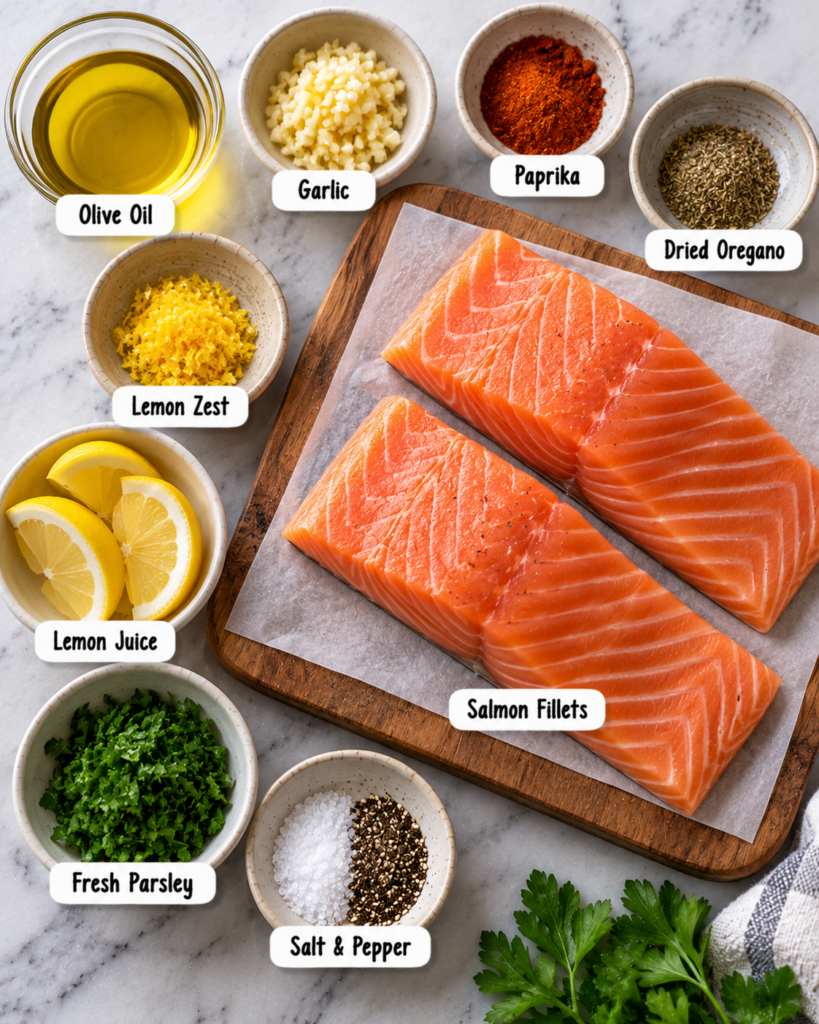
Choosing Salmon Fillets
Salmon fillets vary in thickness, fat content, and whether the skin is attached. Those differences influence how the fish cooks and the texture of the finished meal.
A thick center-cut fillet behaves differently from a thin tail portion. The recipe’s timing should account for those differences.
Skin-On vs. Skinless Salmon
Skin-on salmon can have a different texture from skinless fillets. The skin may provide a contrasting surface, while skinless salmon offers a more uniform presentation.
Both styles can be appealing, but they may not produce identical results in the air fryer.
Fresh vs. Thawed Salmon
Fresh and properly thawed frozen salmon can both be suitable for cooking. Quality and handling matter more than assuming one is always superior.
The original recipe should determine whether thawed fish is required. Frozen salmon may need a different tested approach.
Air Fryer Salmon Temperature and Cooking Time
Air fryer salmon cooking time depends on fillet thickness, appliance model, and the temperature specified by the recipe. A general estimate can’t reliably replace tested instructions.
For the correct time and temperature, follow the recipe card associated with this article.
Why Fillet Thickness Matters
A thick fillet takes longer to heat through than a thin one. Two pieces of salmon may look similar from above but have noticeably different thicknesses.
That difference affects both doneness and texture. A thin portion can become dry while a thicker one remains moist.
Why Air Fryer Models Vary
Air fryers differ in basket size, airflow, heating elements, and temperature calibration. The same settings can produce different results in different appliances.
The tested recipe should remain the primary guide, with safe internal temperature used to confirm doneness.
Tips for Tender Salmon That Doesn’t Dry Out
Salmon is naturally rich, but it can still become dry when cooked beyond the intended texture. The best finished fillet is moist enough to separate into flakes without feeling chalky.
A good balance between exterior browning and interior tenderness makes the dish especially enjoyable.
Avoiding Overcooked Salmon
Overcooked salmon may feel firm, dry, or crumbly. The surface can become overly browned while the interior loses moisture.
A thermometer is more reliable than judging the fish only by its color.
Skin-On Considerations
Salmon skin can provide a different texture and appearance. Some people enjoy it, while others prefer to remove it when eating.
The recipe should determine whether skin-on fillets are intended and what texture to expect.
Checking Doneness Safely
The USDA recommends cooking fish to an internal temperature of at least 145°F. Salmon should also have an opaque appearance and separate easily into flakes.
Use a food thermometer to check the thickest part of the fillet. Appearance alone isn’t as reliable as a temperature reading.
Flavor Variations
Salmon pairs naturally with citrus, herbs, and savory seasonings. A lemon-forward variation can feel bright and fresh, while a more assertive spice blend creates a different character.
Garlic and herb combinations are also familiar choices for salmon recipes. These are optional ideas rather than confirmed ingredients in the original recipe.
The best variation should complement the fish without overwhelming its natural flavor.
What to Serve with Air Fryer Salmon
Salmon is versatile enough for both casual and more polished dinners. Rice, roasted vegetables, and green salads are familiar pairings.
For a lighter meal, serve it alongside leafy greens or simply seasoned vegetables. A grain-based side can make the dinner feel more substantial.
Easy Weeknight Pairings
A mild side works particularly well when the salmon has a pronounced seasoning. The fish provides the main flavor, while the accompaniments add freshness and texture.
Roasted broccoli, green beans, or a simple rice bowl can turn salmon into a complete dinner without making the meal overly complicated.
Leftovers, Storage, and Reheating
Refrigerate cooked salmon promptly at 40°F or below and use within three to four days. Keep it covered to preserve quality and prevent refrigerator odors.
Salmon can become firmer during refrigeration and reheating. The texture may not be identical to freshly cooked fish, particularly if the fillet was already fairly firm.
Reheat leftovers thoroughly to 165°F. Properly stored leftover salmon can also be used in dishes designed for cooked fish, provided it remains within the safe storage period.
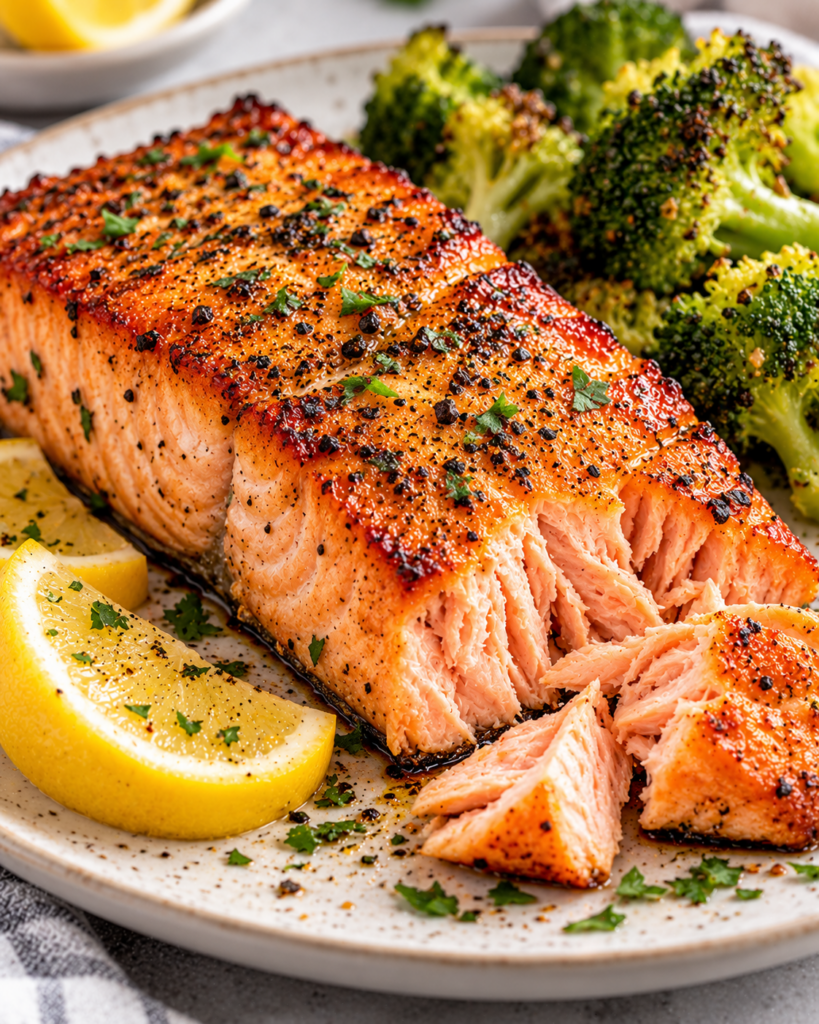
Frequently Asked Questions About Air Fryer Salmon
How Long Does Salmon Take in an Air Fryer?
Cooking time depends on fillet thickness, appliance model, and the recipe’s temperature. Use the tested recipe card and confirm the fish reaches a safe internal temperature.
What Temperature Works Best?
Different air fryer salmon recipes use different settings. The best temperature is the one tested for the fillet size and appliance, rather than a universal number.
Can I Cook Salmon with the Skin On?
Yes, skin-on salmon can be cooked in an air fryer when the recipe is designed for it. The skin may develop a different texture from skinless fillets.
Can I Air Fry Frozen Salmon?
Some recipes are specifically developed for frozen salmon, but the timing and results differ from thawed fish. Don’t assume the original recipe’s settings apply unchanged.
Final Thoughts
Air Fryer Salmon Recipe (Tender and Flaky) is a practical dinner that combines convenience with a satisfying finished texture. Moist, flaky salmon and lightly browned edges make it easy to pair with familiar sides.
The best version lets the salmon’s natural flavor shine while avoiding an overly dry center. With the tested cooking settings in your recipe card, it’s a dependable option for a simple, flavorful meal.
Air Fryer Salmon
Ingredients
Salmon fillets
- 4 fillets 4 fillets of salmon Choose skin-on or skinless based on preference
Seasoning option (for flavor variations)
- 1 tablespoon Olive oil For extra flavor and to keep the salmon moist
- 1 teaspoon Garlic powder Optional for seasoning
- 1 teaspoon Fresh herbs Such as dill or parsley, for added freshness
- 1 lemon Juice of 1 lemon To add brightness
Instructions
Preparation
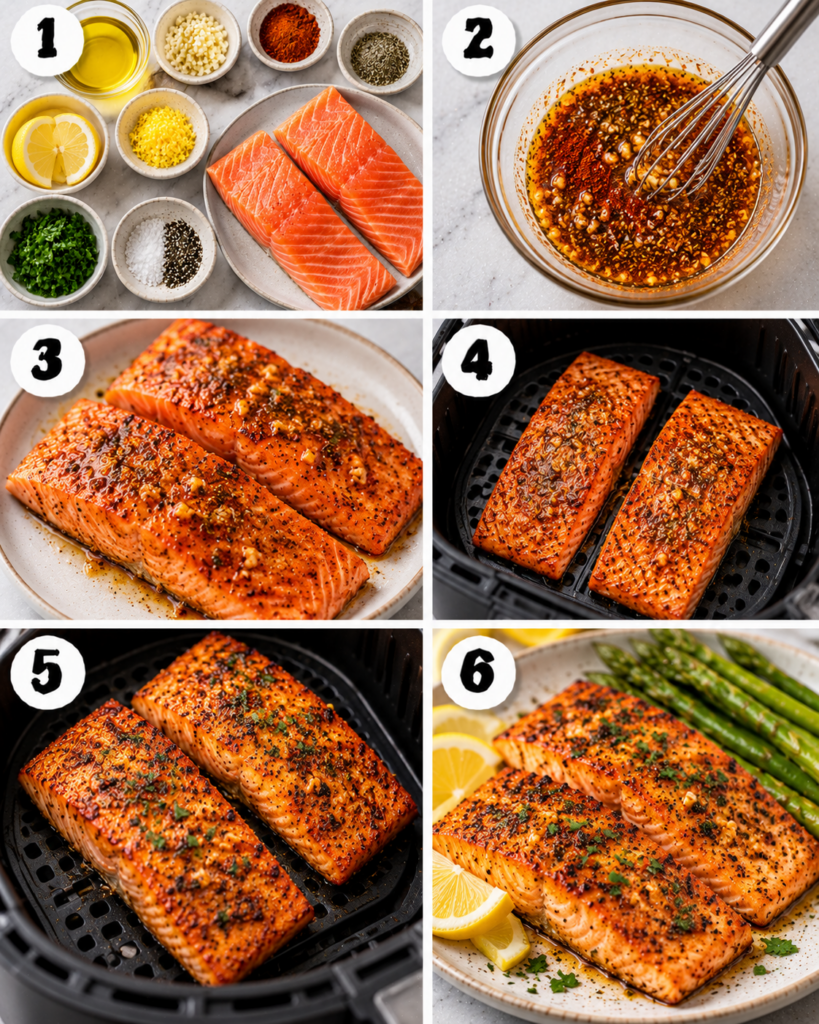
- Preheat the air fryer to the recommended temperature for salmon.
- Pat the salmon fillets dry with a paper towel to remove excess moisture.
- Season the fillets with olive oil, garlic powder, herbs, and lemon juice as desired.
Cooking
- Place the seasoned salmon fillets in the air fryer basket, ensuring they are not overcrowded.
- Cook at the set temperature for 10 to 12 minutes, depending on fillet thickness.
- Check the internal temperature with a food thermometer; it should reach at least 145°F.