
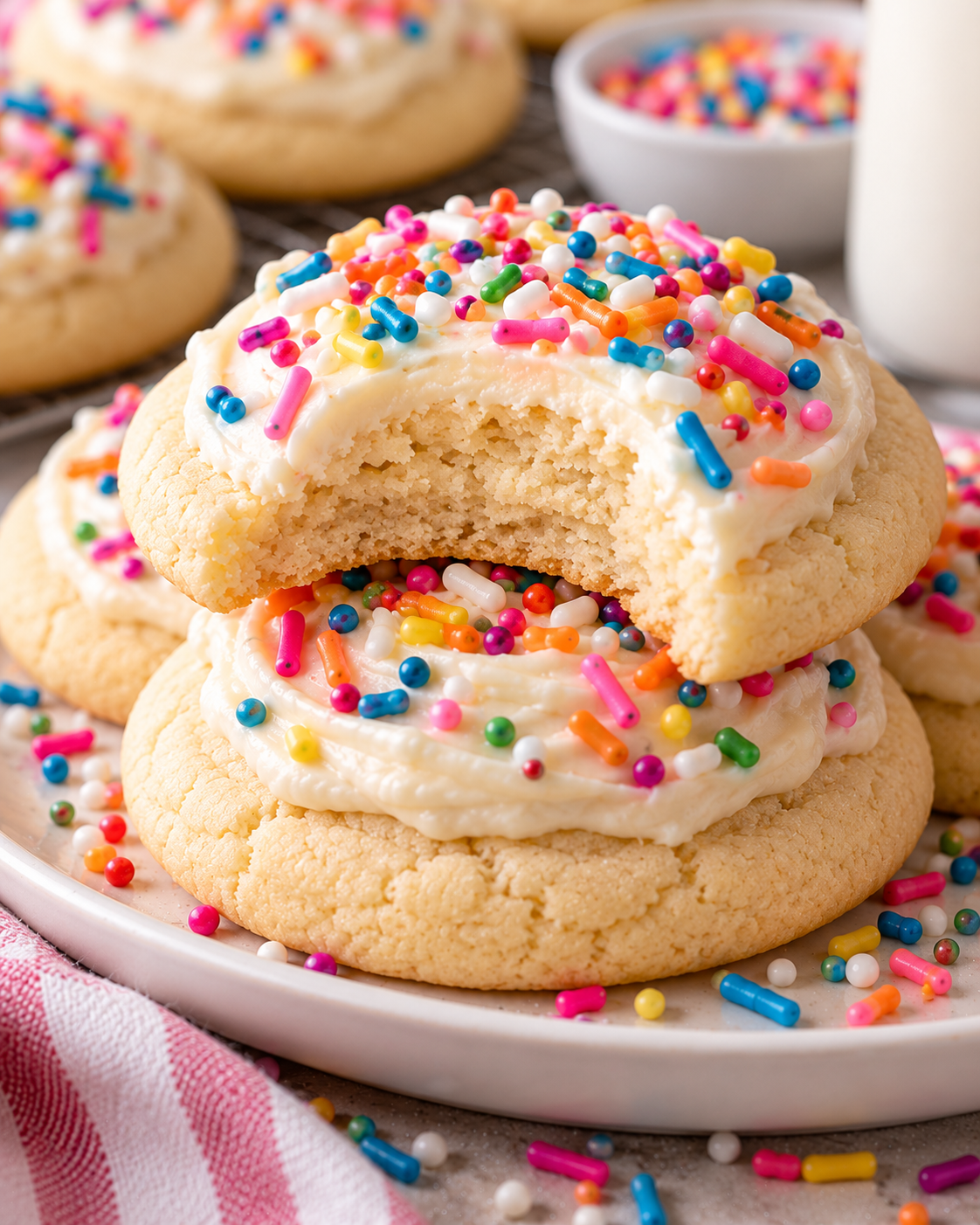
A good sugar cookie doesn’t require a complicated flavour to be memorable. Sometimes you just want a cookie that’s soft and buttery tasting, just sweet enough, and has a tender bite that makes it impossible to stop at just one.
Gluten free sugar cookies should taste like the familiar comfort food but without the unpleasant dry or gritty texture. The best are soft enough to eat on their own but sturdy enough to hold them without falling apart.
When you’re baking for holiday cookie trays, birthday celebrations, or just an afternoon treat, texture is more important than fancy decoration. A cookie that tastes good without frosting is already half way there.
Why Are These Gluten Free Sugar Cookies So Soft?
Soft sugar cookies are all about the balance between moisture, structure and flour blend. The flour doesn’t create the same gluten network . So gluten-free baking works differently than traditional wheat based baking.
That difference can influence how the cookie spreads, holds together and feels after it cools. A good gluten free sugar cookie recipe takes those characteristics into account instead of just substituting wheat flour without thought to the outcome.
Tender Texture Without Wheat
A soft gluten-free cookie should be cohesive, not sandy or crumbly. The texture may not be exactly like a regular sugar cookie, but it shouldn’t feel bad.
A good result has enough structure to hold itself together but is still soft in the middle.
Selecting a Gluten-Free Flour Mix
“Gluten-free flour blends are all over the map. Some use rice flour, starches and binding ingredients, others use a different combination.
You might find a blend marketed as 1:1 or measure-for-measure, which is meant to substitute wheat flour in some recipes—but not every brand is created equal.
The Importance of Flour Blends
Different blends will absorb moisture differently and give different textures in cookies. One makes a softer result, while another makes a firmer or crumblier cookie.
For reliable results it is generally best to use the blend specified in the recipe being tested.
Xanthan Gum – What About It?
Some recipes for gluten-free baking use xanthan gum to help provide structure. Some commercial blends of flour have it already, some don’t.
The dough can behave differently with a binder. You will need to decide if you need an extra binder according to the original recipe.
Tips for Soft Cookies That Keep Their Shape
A good gluten free sugar cookie should be tender and not spread out into a thin, fragile disc. The recipe’s mix of flours, moisture balance, and cooking conditions set the texture.
Too dry and a cookie can crumble easily, too much spread and it might not keep the shape the recipe intended.
How to Prevent Dry, Crumbly Cookies
If the flours you used absorbed more moisture than expected, gluten-free cookies can be a bit dry. The last cookie might feel gritty or crumble in your hands.
A good one is going to have a cohesive crumb and be soft enough that each mouthful is a pleasure.
Don’t Over Spread
If your cookies spread too much, they may be crisp instead of soft. The final shape is influenced by the structure of the dough and the baking conditions.
The best finished cookie should look like the style intended by the recipe, rather than lose its shape completely.
Choosing the Right Texture
Some sugar cookies are intended to be soft all the way through, while others have a slightly firmer edge. Both can be fun, but the texture should read intentional
When done, the cookie should not be underdone in the center or too hard after cooling.
Drop Cookies vs. Cut-Out Sugar Cookies
In practice, drop-style sugar cookies and cut-out sugar cookies are different recipes. Drop cookies are usually made for a softer, simpler shape, and cut-out cookies need enough structure to hold decorative shapes.
A gluten free dough that makes a great soft drop cookie may not be the best for reliable holiday cut outs.
Can I Use This Dough for Cut-Outs?
It is contingent upon the recipe you test. If the recipe card does not say to roll and cut the shapes, then it should not be labelled as a gluten free cut out sugar cookies recipe.
For decorated shapes, use a dough that has been developed for that purpose rather than assuming that all sugar cookie doughs are interchangeable.
Frosting and Decorating Ideas
These gluten free sugar cookies are delicious as is, but a simple finish can make them feel more festive.
Some are fantastic with frosting, others are better with a light decorative touch. The best choice depends on the texture and purpose of the cookie.
For holidays, colourful decorations can help cookies fit into a themed dessert tray. If gluten is to be strictly avoided, check frosting or sprinkles for gluten-containing ingredients also.
Common Issues with Gluten-Free Sugar Cookies
One of the biggest issues when baking gluten-free is a gritty texture. Some flour mixes have a coarser mouthfeel, especially if the recipe isn’t intended for them.
Flat cookies are another let down. While they may be sweet and pleasant tasting they lack the soft substantial texture expected from this recipe.
Dryness may also develop during storage. A freshly baked cookie can be soft, but over time and as moisture changes, it can become hard.
The best gluten-free cookies hold together, are tender, and are enjoyable without frosting to hide texture issues.
Freezing and Storage
Store cooled cookies in an appropriate airtight container as directed in the recipe. Too much exposure to air will dry them out, so keep them covered.
Many sugar cookies freeze well, but cookies that are decorated may need special storage considerations. The frosting may look or feel different when thawed.
If the cookies have a perishable filling or topping, they may require refrigeration.
Frequently Asked Questions About Gluten Free Sugar Cookies
Can I Substitute Almond Flour?
Almond flour acts very differently than a typical gluten-free all-purpose blend. It is not a good direct substitute unless the recipe has been developed and tested for it.
Should I Use Xanthan Gum?
Depends on the flour blend and recipe Some blends already have xanthan gum in them, so adding more won’t necessarily help.
Can You Refrigerate Dough?
Some gluten free sugar cookie dough needs to be chilled, while others are to be used without chilling. Follow the directions given in the tested recipe rather than assuming that all doughs are handled the same way.
Are These Cookies Free Of Dairy?
Gluten-free and dairy-free are two different dietary requirements. If any ingredient in the actual recipe is not dairy-free, then the cookies should not be labelled dairy-free.
To conclude
Soft Gluten Free Sugar Cookies show that a well-known cookie can be satisfying without wheat flour. The best one has a tender crumb, a nice sweetness, and enough structure to hold together without being dry.
They are perfect for everyday baking and holiday celebrations. With the right tested flour blend, and a good texture, they can be just as comforting as a traditional sugar cookie.
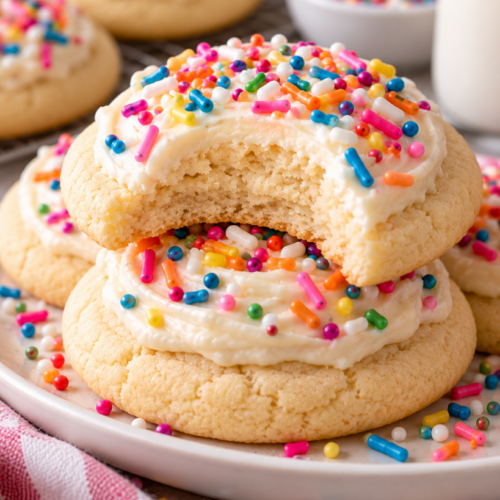
Soft Gluten Free Sugar Cookies
Ingredients
Main Ingredients
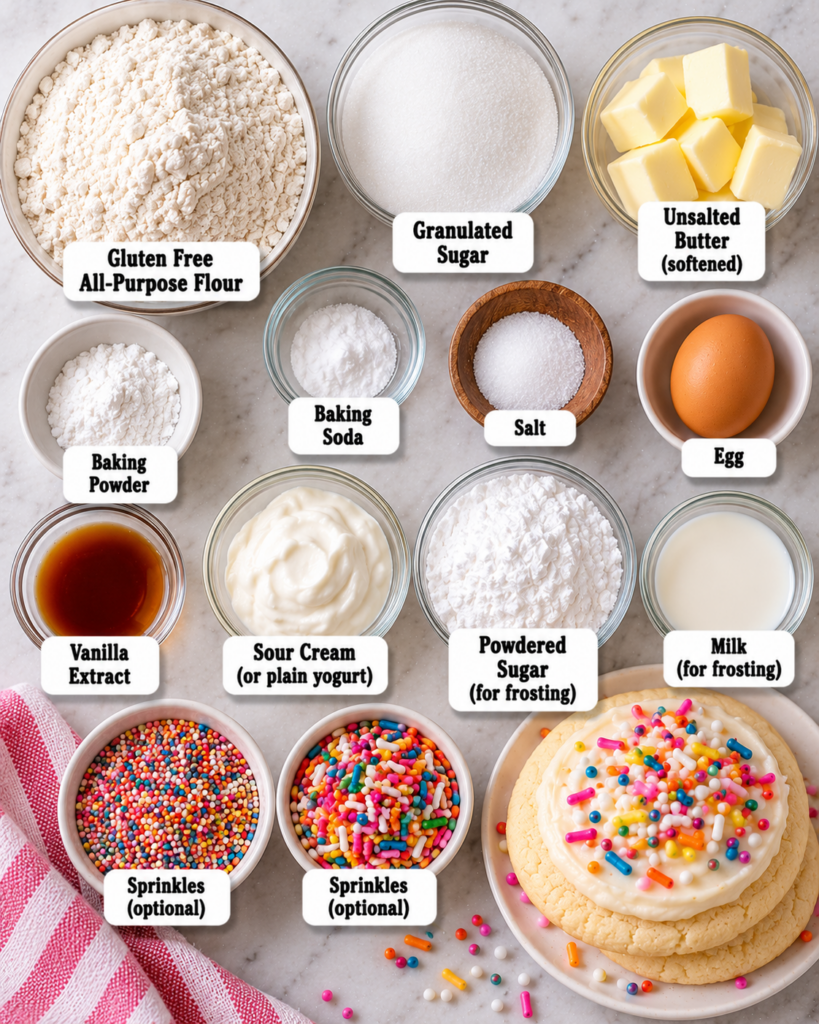
- 2 cups gluten-free all-purpose flour Use a blend that is tested and reliable.
- 1 cup unsalted butter Softened to room temperature.
- 3/4 cup granulated sugar Adjust for sweetness preference.
- 1 large egg At room temperature.
- 1 teaspoon vanilla extract For flavor.
- 1/2 teaspoon baking soda For leavening.
- 1/4 teaspoon salt To enhance sweetness.
- 1/2 teaspoon xanthan gum If the flour blend does not contain it.
Instructions
Preparation
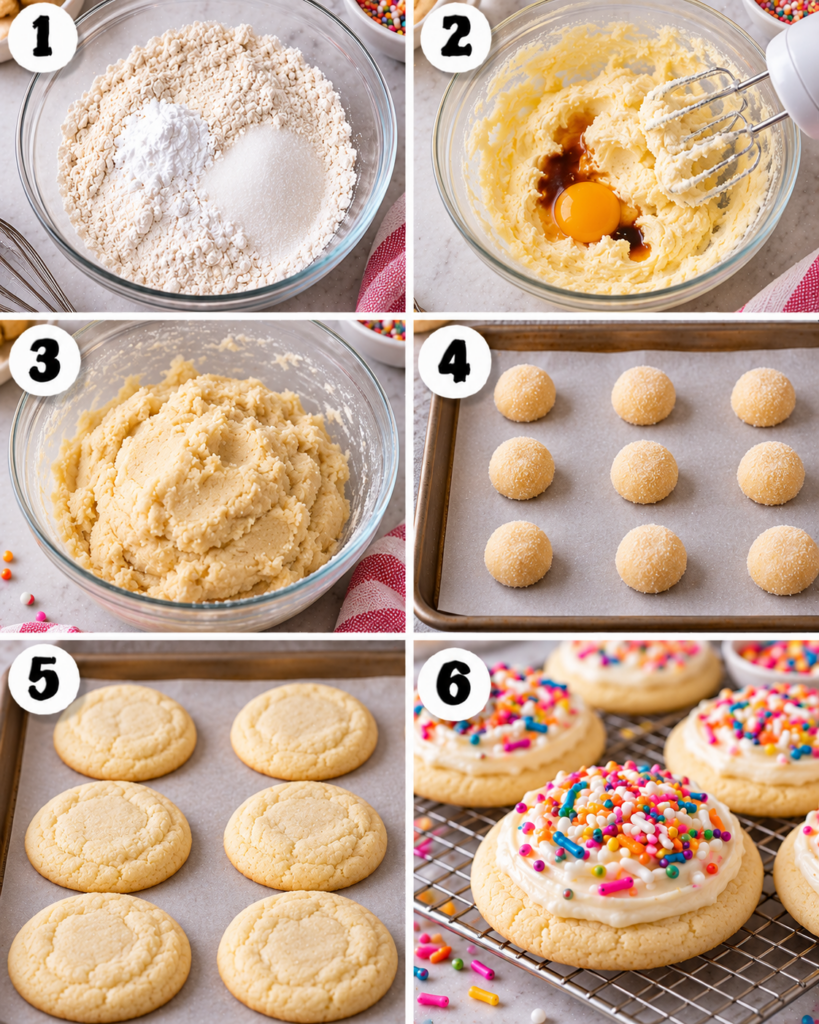
- Preheat the oven to 350°F (175°C) and line a baking sheet with parchment paper.
- In a large bowl, cream together the softened butter and sugar until light and fluffy.
- Beat in the egg and vanilla extract until well combined.
- In a separate bowl, whisk together the gluten-free flour, baking soda, salt, and xanthan gum.
- Gradually add the dry ingredients to the wet ingredients and mix until a dough forms.
Baking
- Scoop tablespoon-sized portions of dough onto the prepared baking sheet, leaving space between each for spreading.
- Bake in the preheated oven for 10-12 minutes, or until the edges are lightly golden.
- Allow cookies to cool on the baking sheet for 5 minutes before transferring to a wire rack to cool completely.