
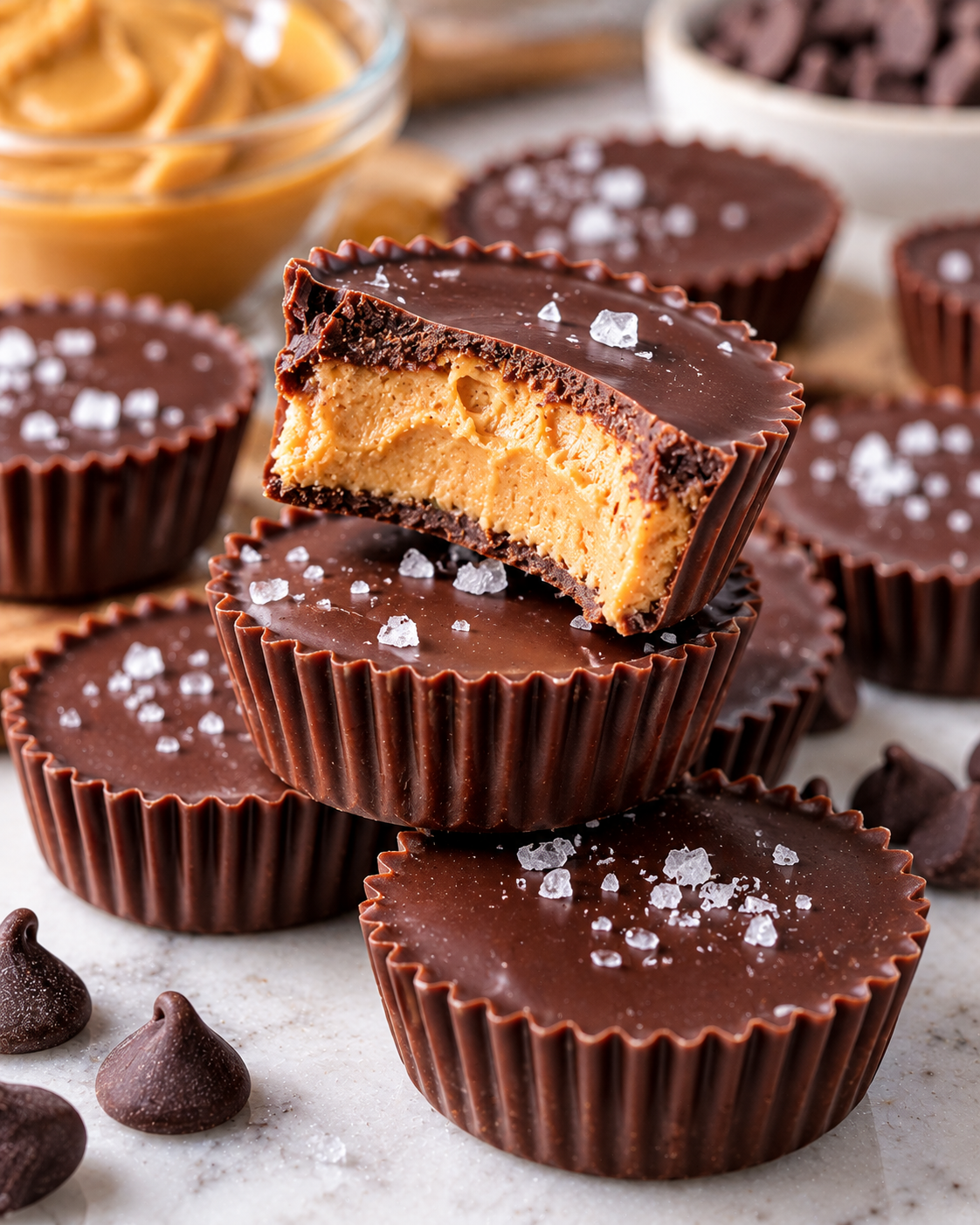
Peanut butter and chocolate have always been a good match. The peanut butter brings a salty, roasted flavor, while chocolate adds richness and just enough bitterness to balance the sweetness.
Keto peanut butter fat bombs take that familiar combination and turn it into a small, rich treat. They’re usually meant to be enjoyed in modest portions rather than eaten like a large dessert, because their fat content makes them especially filling.
The texture is what makes or breaks them. The peanut butter filling should feel smooth rather than gritty, and any chocolate layer should set firmly enough to hold its shape. A fat bomb that turns oily at room temperature or crumbles straight from the refrigerator isn’t nearly as enjoyable.
What Are Keto Fat Bombs?
Fat bombs are small, high-fat snacks or desserts commonly associated with ketogenic eating. They often use nut butter, chocolate, or other fat-rich ingredients.
The name doesn’t guarantee a particular nutritional profile. The amount of carbohydrate, fat, and protein depends on the ingredients and serving size.
For a peanut butter chocolate version, the goal is a rich bite with recognizable peanut flavor and a chocolate finish.
Choosing Peanut Butter, Chocolate, and Sweetener
Peanut butter varies considerably between brands. Some products contain only peanuts and salt, while others include sugar, oils, or stabilizers.
Natural peanut butter can separate during storage, affecting the consistency of the finished filling. Sweetened peanut butter may also add more carbohydrates than expected.
Low-carb sweeteners differ in sweetness and texture. Some can leave a cooling sensation or grainy finish, particularly when they don’t dissolve well.
Chocolate Chips vs. Cocoa Powder
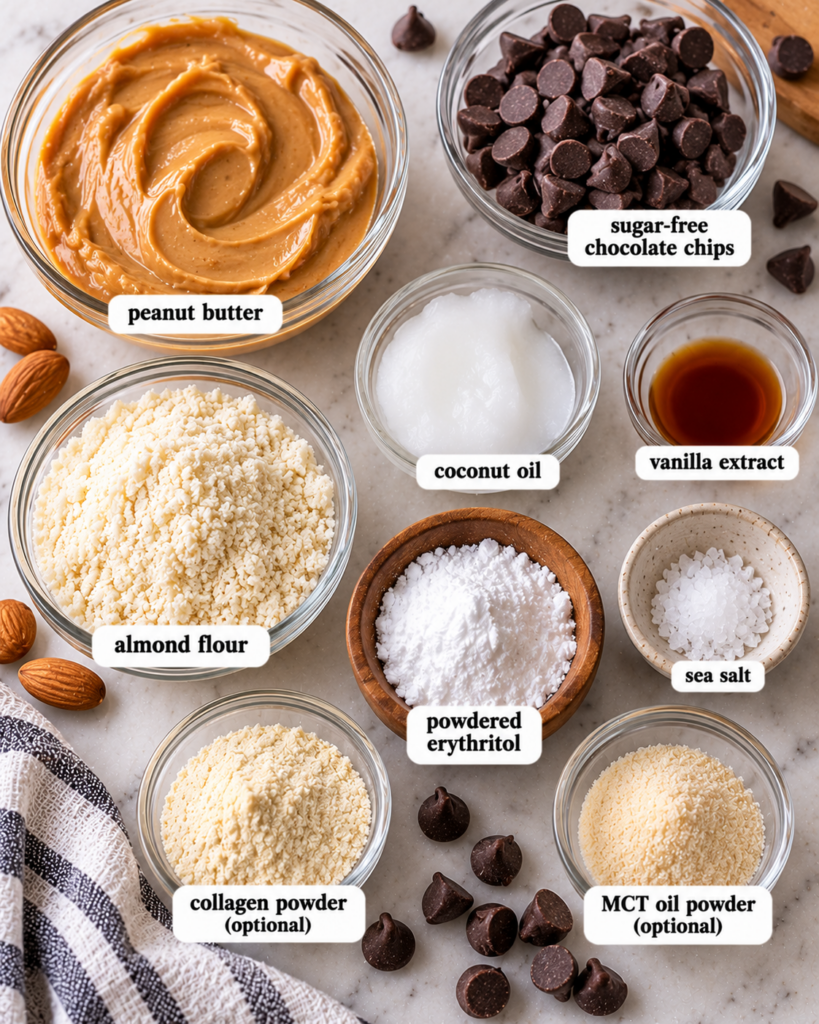
Sugar-free chocolate chips and unsweetened cocoa powder aren’t interchangeable in every recipe. Chocolate chips contain fat and other ingredients that affect melting and setting.
Cocoa powder provides chocolate flavor without the same structure. The recipe must account for that difference.
Choose the chocolate product specified in your recipe card to preserve the intended texture.
Tips for Smooth Peanut Butter Filling
A smooth filling should taste creamy and cohesive, without visible separation or gritty sweetener crystals. The type of peanut butter plays a major role.
Temperature also affects texture. Some fats become firm when chilled and soften quickly in a warm kitchen.
The best filling should be pleasant to eat cold but not so hard that it feels waxy.
How to Get Chocolate Layers to Set
Chocolate layers should provide a satisfying contrast to the softer peanut butter filling. Whether the chocolate sets firmly depends on the ingredients used.
A layer containing coconut oil may soften more readily at room temperature than properly tempered chocolate. The finished texture can also vary with the thickness of the coating.
Follow the recipe’s chilling and storage guidance rather than assuming the treats will remain firm on a warm countertop.
Troubleshooting Soft or Grainy Fat Bombs
Fat bombs that won’t firm up may contain too much liquid or a fat blend that stays soft at the storage temperature. The recipe’s proportions determine how well the mixture holds together.
Graininess often comes from the sweetener or the texture of the nut butter. Adding more sweetener can make that problem worse.
An oily appearance may indicate separation. Different peanut butter brands can produce noticeably different results even when the rest of the recipe stays the same.
Nut Butter and Dairy-Free Variations
Almond butter and other nut butters can create different flavors, but they may have different fat and moisture contents. That can change how the filling sets.
A dairy-free version depends on every ingredient, including the chocolate. Some chocolate products contain milk ingredients even when the rest of the recipe is dairy-free.
For anyone with a peanut allergy, simply changing the nut butter isn’t always sufficient because cross-contact and other ingredients also matter.
Carbs, Net Carbs, and Portion Size
A keto-friendly label should be supported by the recipe’s actual nutrition information. Peanut butter, chocolate, and sweeteners all contribute differently to the carbohydrate total.
Net carbohydrates are often calculated by subtracting certain fiber and sugar alcohol amounts from total carbohydrates, but the treatment of sugar alcohols varies.
Serving size matters because these treats are calorie-dense. Use the nutrition values calculated from the actual ingredients rather than an estimate from a similar recipe.
Storage and Freezing
Many peanut butter fat bombs need refrigeration to maintain their shape. Store them covered and follow the recipe’s guidance for temperature and shelf life.
Freezing can help with longer storage, although the texture may be firmer straight from the freezer. Chocolate surfaces can also develop condensation as temperatures change.
Frequently Asked Questions About Keto Peanut Butter Fat Bombs
Can I make them without coconut oil?
Some recipes use other fats, but removing coconut oil can change how the treats set. A tested alternative is more reliable than a direct substitution.
Why are my fat bombs too soft?
The fat blend, nut butter consistency, and storage temperature can all affect firmness. The treats may need refrigeration even when the mixture is correctly prepared.
Final Thoughts
Keto Peanut Butter Chocolate Fat Bombs are a rich little treat for people who enjoy the classic chocolate-and-peanut-butter combination. Their appeal comes from the contrast between creamy filling and chocolate.
A smooth texture and accurate carbohydrate information matter more than a dramatic nutritional claim. Check the actual recipe card before labeling the finished treats keto-friendly.
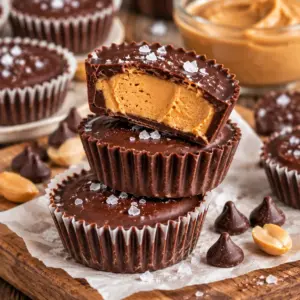
Keto Peanut Butter Chocolate Fat Bombs
Ingredients
For the Peanut Butter Layer
- 1/2 cup natural peanut butter (no sugar added) Creamy works best.
- 3 tablespoons coconut oil, melted Divided into 2 and 1 tablespoon.
- 3 to 4 tablespoons powdered keto sweetener Adjust to taste.
- 1/2 teaspoon vanilla extract A small amount makes a big difference.
- a pinch salt Especially if the peanut butter is unsalted.
For the Chocolate Layer
- 1/2 cup sugar-free chocolate chips Or use cocoa powder method.
Instructions
Preparation
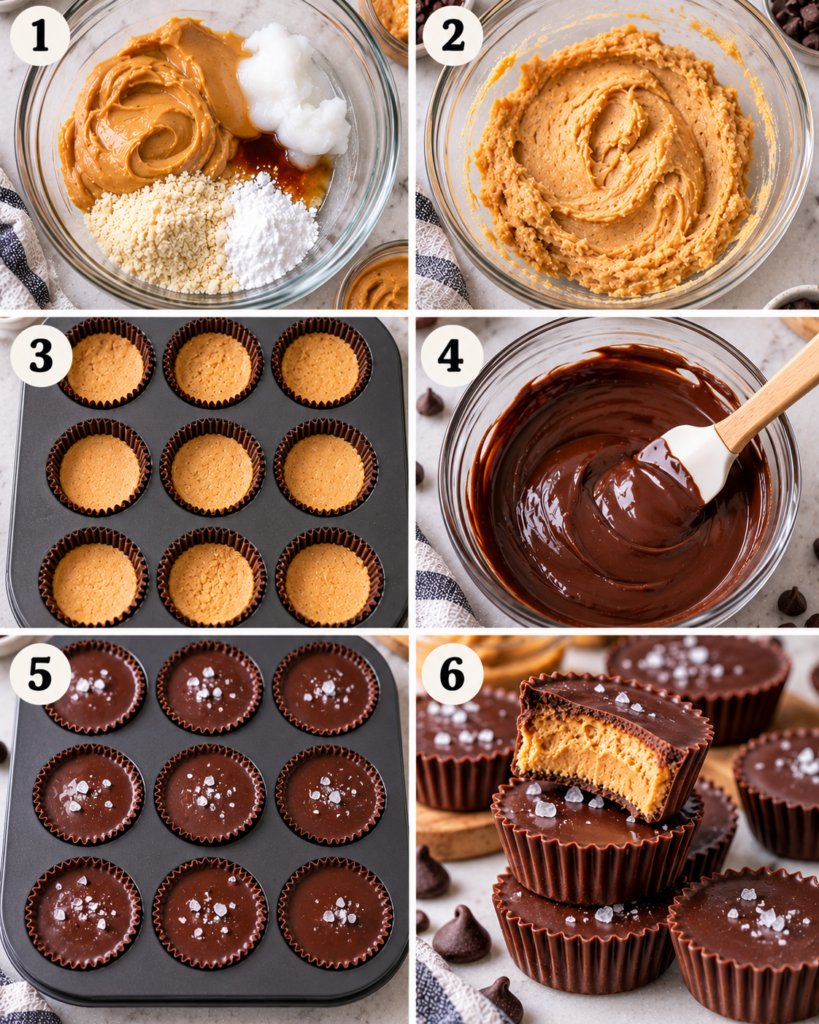
- Line a mini muffin pan with paper liners or set out silicone molds.
- In a small bowl, mix peanut butter, 2 tablespoons melted coconut oil, powdered sweetener, vanilla, and salt until smooth.
- Scoop the peanut butter mixture into the molds, filling each about halfway.
Chocolate Layer
- Melt chocolate chips with 1 tablespoon coconut oil, stirring until smooth. If using cocoa, stir cocoa powder into melted coconut oil with sweetener until glossy.
- Spoon chocolate over the peanut butter layer.
Chilling
- Chill until firm, about 45 to 60 minutes, then store in the fridge or freezer.